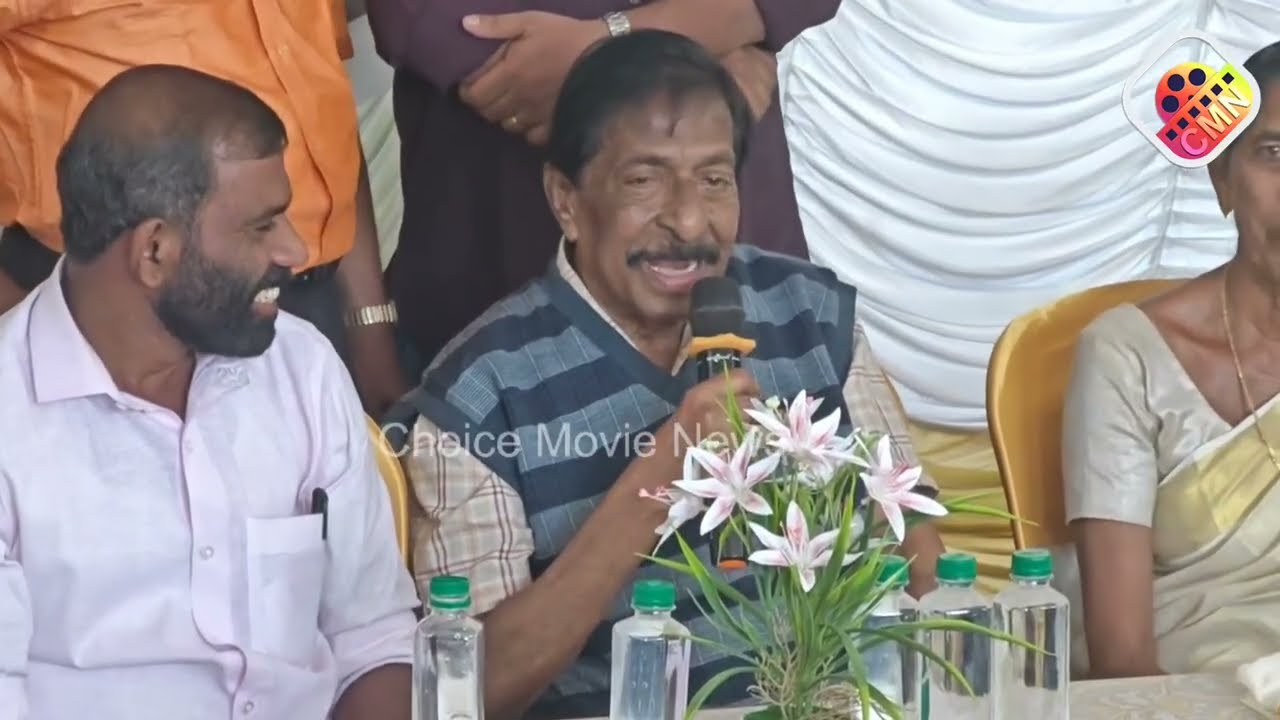
Revisiting Varavelppu: Sreenivasan’s Timeless Reflection on Society and Change
Kochi: What thoughts cross a screenwriter’s mind as they watch their own film years later? Does it evoke a sense of nostalgia, or perhaps a realization of how much—or how little—the world has changed since its creation? For actor and screenwriter Sreenivasan, re-watching his classic film Varavelppu might have stirred these reflections. The experience was not just a visual journey but also a rekindling of memories and beliefs, prompting him to ponder the enduring relevance of his work.
The Story of Varavelppu: A Mirror to Society
Released in 1989, Varavelppu tells the story of Murali, a Gulf returnee who dreams of starting a bus service in Kerala. However, his aspirations are thwarted by the socio-political landscape, rife with red tape, union interferences, and the notorious ‘nokkukooli’ (a practice where laborers demand wages for simply observing work). The film, with Mohanlal’s unforgettable portrayal of Murali, resonated with audiences, highlighting the challenges faced by entrepreneurs in the state.
Decades later, as Sreenivasan revisits this narrative, a pressing question emerges: “How far has Kerala progressed from the issues I depicted?” The persistence of political interference and the existence of practices like nokkukooli suggest that Varavelppu remains as relevant today as it was then. This realization continues to sharpen Sreenivasan’s pen, inspiring him to critique society through his art.
Changing Times, Unchanging Story?
Watching Varavelppu after so many years, Sreenivasan may find himself reflecting on the evolution of Kerala’s socio-political environment. Has the state moved forward significantly? Do political parties still view entrepreneurs with skepticism? Have detrimental practices like nokkukooli been completely eradicated? If the answers to these questions are not a resounding “yes,” then the film’s themes remain pertinent. This enduring relevance is what keeps Sreenivasan’s work influential and thought-provoking.
Murali and Sreenivasan: Two Faces of the Same Coin
Murali, the protagonist of Varavelppu, speaks with Sreenivasan’s voice. His dialogues are filled with a rebellion against societal injustices and inefficiencies. Through cinema and interviews, Sreenivasan has consistently championed similar causes. Watching Murali on screen, he might be reminded of his early convictions and the beginnings of his critical voice.
The issues addressed through Murali have been echoed in various forms throughout Sreenivasan’s career. His films are not merely entertainment; they are sharp observations and critiques of society. Varavelppu was one of the initial platforms where these themes were explored, providing Sreenivasan with renewed energy and purpose in his creative journey.
A Question for the Political Commentator Within
Every citizen harbors an inner political commentator concerned about their homeland and its future. Sreenivasan has always been vocal about these concerns. Therefore, after watching Varavelppu, today’s Sreenivasan might pose a question to the screenwriter he once was:
“Sreeni, if the conditions that crushed Murali’s dreams remain unchanged, who have we been speaking for all these years? If another Murali were to attempt starting a bus service today, what would be different in his experience?”
This question is not just personal; it is societal. The ability of a writer to create works that withstand the test of time lies in their capacity to ask questions that transcend eras. As Sreenivasan watches Varavelppu, he is reminded of such timeless inquiries. These memories, when revitalized, serve as a reminder that it is not the story of the film that needs to change, but the narrative of our society itself.
The Timeless Relevance of Varavelppu
Varavelppu stands as a testament to Sreenivasan’s ability to capture the essence of societal challenges through cinema. His reflection on the film serves as a reminder of the ongoing struggles faced by entrepreneurs and the unchanged socio-political dynamics in Kerala.
The film’s narrative continues to resonate with audiences, highlighting the need for societal evolution. As Sreenivasan revisits his work, he is not merely looking back at a piece of art but engaging in a dialogue with the past and present, urging society to reflect and act.
Conclusion: A Call for Change
In revisiting Varavelppu, Sreenivasan invites us to introspect on the societal issues that persist. The film’s enduring relevance underscores the importance of addressing these challenges and fostering an environment where dreams can thrive without being stifled by systemic hurdles.
Sreenivasan’s journey through Varavelppu is a journey through time, a reflection on societal stagnation, and a call for progress. It is a reminder that while stories may remain timeless, it is our collective responsibility to ensure that society evolves beyond the narratives depicted on screen.