Exploring the Distinct Worlds of Drama and Cinema: Key Differences Unveiled
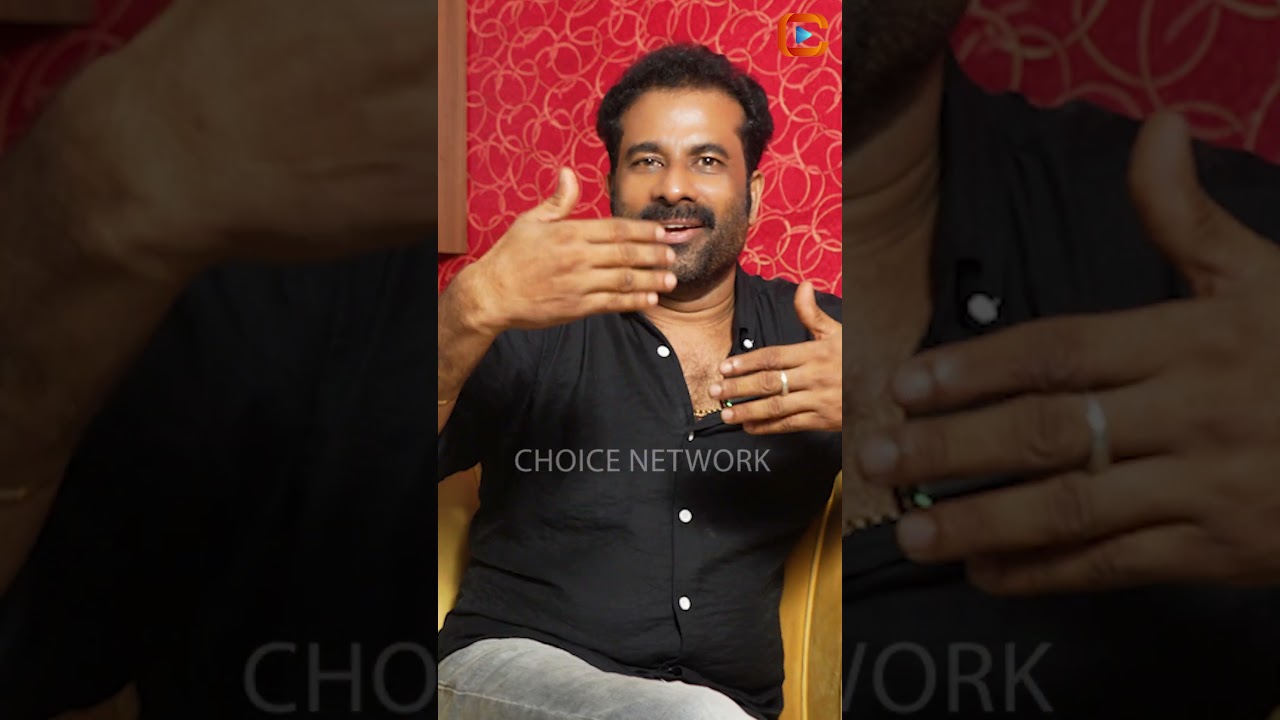
Drama and cinema often seem like two sides of the same coin, both celebrated for their storytelling and acting prowess. However, as noted by critics like Jesse Joseph, these two art forms diverge significantly in various aspects. From performance styles to audience interaction, the differences are vast and fascinating. Let’s delve into the core elements that set drama and cinema apart.
Performance Styles: A Marathon vs. A Montage
Drama: The Art of Comprehensive Acting
In the realm of drama, actors are required to deliver a performance that is both comprehensive and dedicated. This means maintaining a consistent character portrayal from start to finish, akin to running a marathon. The energy and emotions must be sustained throughout the entire performance, with clarity and intensity that reaches even the back rows of the theater. The actor has no respite; there are no pauses to rest or regroup.
Cinema: The Subtlety of Behavior Acting
Cinema, on the other hand, leans heavily on behavior acting, where subtlety and naturalism take precedence. Here, the camera captures nuanced expressions and behaviors, allowing actors to focus on delivering their best in each take. Directors have the luxury of multiple takes, selecting the most compelling performance during editing. This creates an emotional continuity that is often crafted in the post-production phase, offering actors a different kind of creative freedom.
Presentation: The Magic of Live Performance vs. Technical Precision
Drama: The Allure of Live Theater
In drama, every performance unfolds live before an audience. Each dialogue and movement happens in real time, with no room for error. If a mistake occurs, there is no option to redo the scene; the show must go on. This immediacy is the lifeblood of theater, creating a dynamic exchange between actor and audience, where emotions are shared and experienced collectively.
Cinema: The Craft of the Perfect Take
Cinema operates in a distinctly different manner. Scenes can be reshot as often as necessary to achieve the desired outcome. The filming process is flexible, often dictated by location availability and actor schedules, allowing for non-linear storytelling. The final narrative is pieced together in the editing room, where disparate scenes are woven into a cohesive story.
Structural Differences: Fixed Flow vs. Creative Flexibility
Drama: A Linear Journey
Dramatic performances adhere to a fixed structure, presenting the story in a linear fashion from beginning to end. This continuity allows the audience to experience the narrative in real-time, following the characters’ journey as it unfolds.
Cinema: Non-Linear Storytelling
In contrast, cinema embraces a non-linear approach to storytelling. Scenes can be filmed out of sequence, with the climax shot first and the opening scene last. This flexibility enables filmmakers to craft the narrative flow during the editing process, making the final product a testament to creative assembly.
Audience Interaction: Direct Engagement vs. Screen Mediation
Drama: The Intimacy of Live Interaction
One of drama’s most distinctive features is its direct interaction with the audience. The emotional expressions on stage are experienced live, creating a unique dialogue between performer and spectator. Audience reactions can influence the energy of the performance, making each show a unique experience.
Cinema: The Screen as a Medium
Cinema, however, reaches its audience through the screen, with performances often recorded months or even years prior. This lack of real-time interaction means that the emotional exchange is mediated, removing the immediacy found in live theater. The audience’s engagement is shaped by the crafted narrative and visual storytelling.
Conclusion: Two Distinct Mediums with Unique Charms
In summary, drama and cinema are two distinct storytelling mediums, each offering its own unique experiences. Drama captivates with the intensity and immediacy of live performance, while cinema enchants with its ability to create polished visual narratives through technology. Neither is superior to the other; instead, each holds its own space and charm in the world of art. These differences highlight the diverse ways in which stories can be told, enriching our cultural landscape with their varied expressions.