The Evolution of Filmmaking: From Exclusive Art to Universal Access
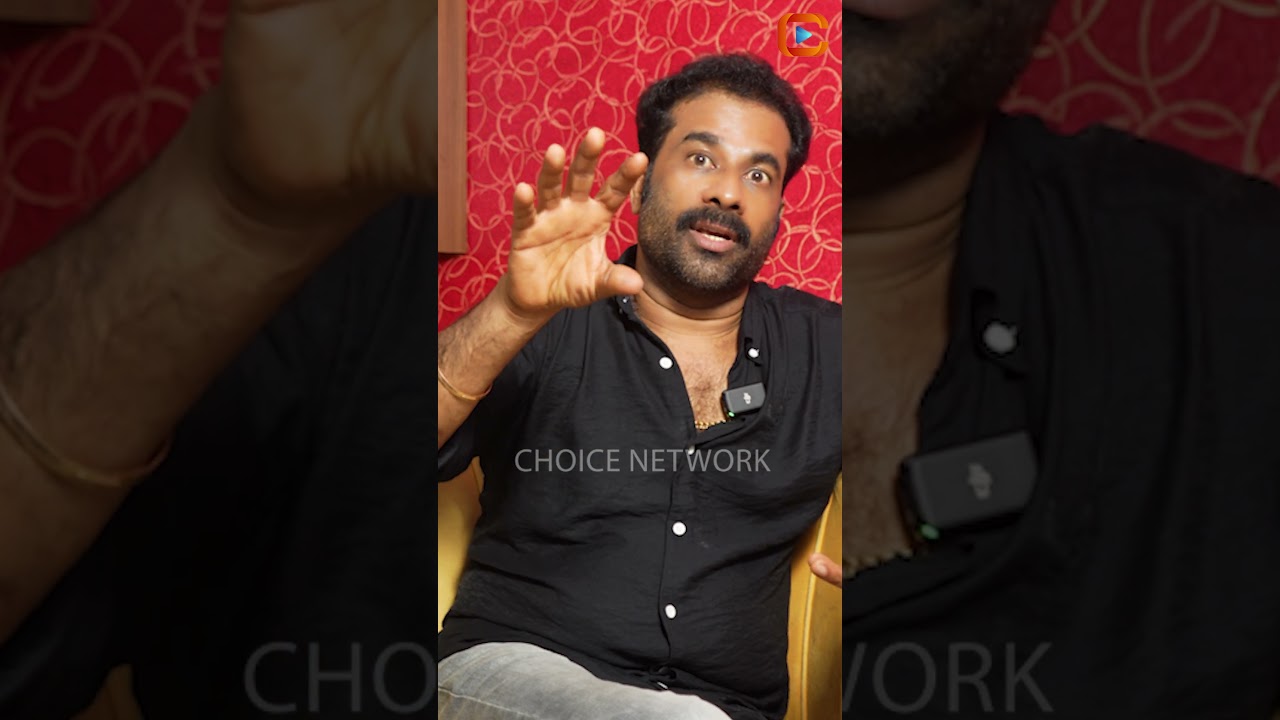
The world of Malayalam cinema, much like the broader film industry, is in a state of continuous transformation. As technology advances and new creative methods emerge, the landscape of filmmaking has dramatically shifted. This change is encapsulated in a poignant observation by renowned Malayalam film director, screenplay writer, and dialogue writer, Jessen Joseph: “Today anyone can make films, but it wasn’t like that back then.” While this statement might seem simple at first glance, it profoundly captures the evolution of cinema in Kerala and beyond.
Let’s delve into the truth behind Jessen Joseph’s statement and the circumstances that have led to this transformation.
Who is Jessen Joseph?
Jessen Joseph has carved a niche for himself in the Malayalam film industry. Known for directing films like Real Fighter (2016) and Kalippu (2019), he wears many hats as a director, screenplay writer, and dialogue writer. His insights are backed by years of experience in the industry. Recently, his statement gained traction through a YouTube Short, sparking discussions about the changing dynamics in filmmaking.
The Exclusive World of “Then”: Barriers in Filmmaking
When Jessen Joseph refers to “back then,” he points to a time before the digital revolution—a period when making a film was an unfathomable dream for many. Several factors contributed to this exclusivity:
High Financial Barriers
-
Expensive Production Costs: During the era of film rolls, producing a movie required significant financial investment. Costs associated with cameras, film stock, lab processing, and editing were prohibitively high.
-
Limited Access to Equipment: The necessary equipment for filmmaking was accessible to only a select few. Even renting these tools demanded substantial funds.
-
Industry Connections: The technical and commercial aspects of filmmaking were controlled by a small group. Establishing connections with producers and distributors was essential, often making it a closed circle.
These hurdles meant that for many talented individuals, the dream of directing a film remained just that—a dream. Cinema was an inaccessible world for the average person.
The Open Doors of “Today”: The Digital Revolution in Filmmaking
The “today” that Jessen Joseph speaks of represents a new era where digital technology has democratized cinema. Several factors underpin this newfound accessibility:
Affordable Technology
-
Reduced Production Costs: With the advent of digital cameras, the cost of filmmaking has significantly decreased. High-quality cameras or even a good smartphone can capture stunning visuals, eliminating the expenses associated with film stock.
-
User-Friendly Editing Software: Editing, once a costly and complex process, is now simplified with the availability of software on laptops and computers. This accessibility has made post-production tasks easier and more affordable.
New Distribution Channels
- Online Platforms: Previously, the greatest challenge was getting a film into theaters. Today, platforms like YouTube and OTT services offer filmmakers the opportunity to present their work to a global audience. It is now possible to produce a film independently and release it online.
These changes have paved the way for anyone with talent and a compelling story to become a filmmaker. It is no longer wealth or heritage that determine success in cinema, but rather creativity and skill.
An Undisputed Reality
Jessen Joseph’s statement has not sparked any controversies or disputes within the film world. This is because it reflects a universally acknowledged truth about the industry. The democratization of cinema is a change welcomed by many, including veteran filmmakers who recognize the opportunities it creates for new talent.
In summary, Jessen Joseph’s observation, “Today anyone can make films, but it wasn’t like that back then,” is more than just a statement. It is a critical insight into the evolutionary history of Malayalam cinema. With the aid of technology, the art form has reached a broader audience, opening doors for new talents and opportunities. This transformation is a testament to the power of innovation in reshaping industries and democratizing access to creative expression.