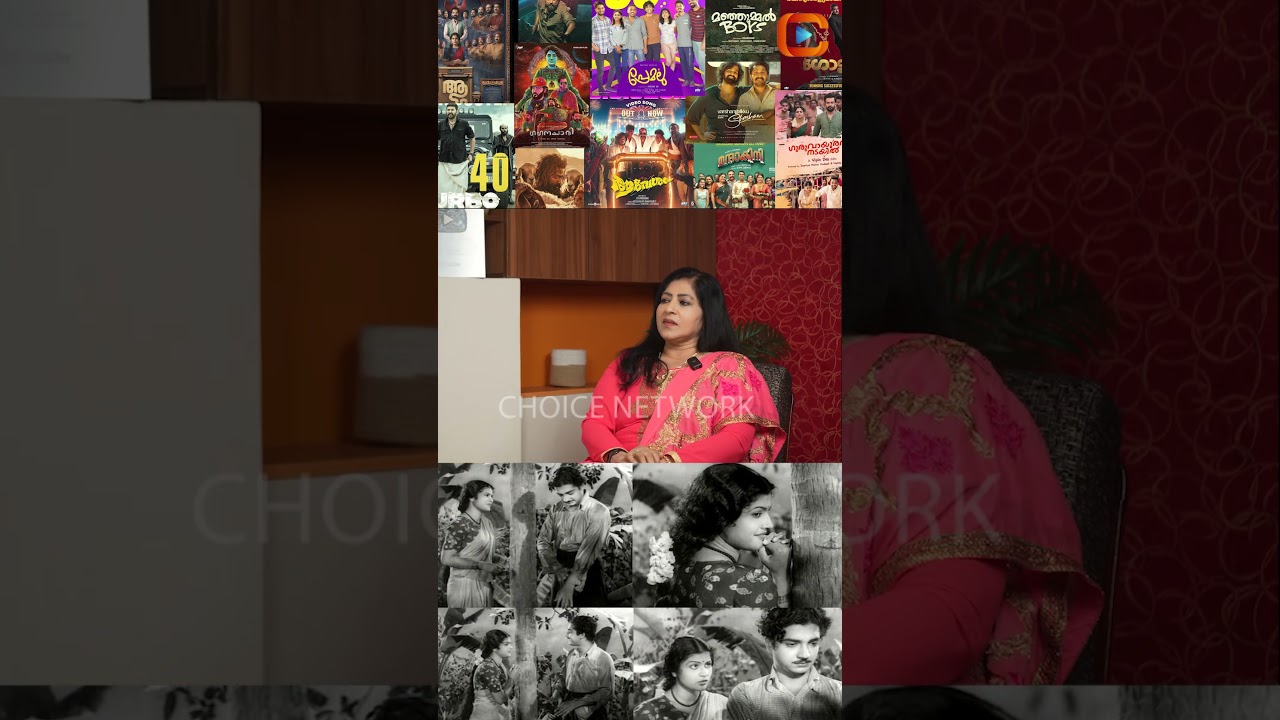
The Debate on Natural vs. Artificial Acting: A Social Media Phenomenon
In recent times, the world of Malayalam cinema has found itself at the center of a heated debate on social media. A statement echoing through platforms like Instagram and Facebook claims, “Earlier acting was natural, now it is artificial,” often tagged with #binduvarappuzha. This sentiment has sparked discussions, with many nostalgically comparing the acting styles of yesteryears to today’s performances. But is this claim grounded in reality, or is it merely a subjective opinion fueled by nostalgia? Let’s delve deeper into this intriguing debate.
The Origins of the Debate
Social Media’s Role
Since early 2024, there has been a noticeable surge in social media posts and reels that juxtapose scenes from classic films with those from contemporary cinema. These comparisons often praise the legendary performances of past actors while criticizing the styles of newer generations. This phenomenon is largely driven by nostalgia—a longing for the films and actors people grew up watching, which often leads to the perception that everything from the past was superior.
However, fact-checking reveals that this opinion is not based on objective analysis but is rather a subjective viewpoint that varies across generations and personal experiences.
Defining “Natural Acting”
What Does “Natural Acting” Mean?
One of the central questions in this debate is: what exactly is “natural acting”? The truth is, there is no universally accepted definition. In interviews and cinematic discussions, one common interpretation is that natural acting is a performance that the audience does not recognize as acting. In other words, it should feel like the character is living on screen, without the viewer being aware of the actor’s presence.
Yet, this definition is inherently subjective. What one person perceives as natural and effortless, another might find plain or lacking in emotion. Similarly, performances considered expressive and intense by some may seem “artificial” or overly dramatic to others. Thus, the measure of acting quality is deeply personal and varies from viewer to viewer.
Opinion vs. Fact
Lack of Empirical Evidence
The claim that acting has universally shifted from natural to artificial lacks scientific or statistical backing. There are no authoritative studies or reports confirming a decline in the quality of acting in Malayalam cinema over time. This discussion remains a matter of public opinion, heavily influenced by individual preferences and generational differences in how cinema is approached and appreciated.
Comparisons and Realities
Evolution of Acting Styles
Comparing the acting styles of the 1980s and 1990s—considered by many as the golden era of cinema—with today’s performances is natural. However, it’s important to recognize that changes in technology and storytelling techniques have inevitably influenced acting styles. As cinema evolves, so does the approach to acting. Realistic films often demand more subdued performances, while stylized films might require more pronounced expressions.
Therefore, it’s not accurate to categorically label one era’s acting as superior to another’s. Every period has seen both exceptional and lackluster performances.
The Ongoing Conversation
A Reflection of Passion for Cinema
Ultimately, this social media debate highlights the deep passion and seriousness with which Malayalis view cinema. Beyond the argument of whether past or present acting is superior, the quest for understanding what constitutes good acting continues. Ultimately, the decision of what is considered natural or artificial acting rests with each individual viewer.
Conclusion
The ongoing discussion about natural versus artificial acting serves as a testament to the evolving nature of cinema and the diverse opinions it inspires. While nostalgia plays a significant role in shaping these views, it’s essential to appreciate each era’s unique contributions to the art of acting. As the debate continues, it encourages both audiences and actors to reflect on the essence of authentic performance and the subjective nature of cinematic appreciation.