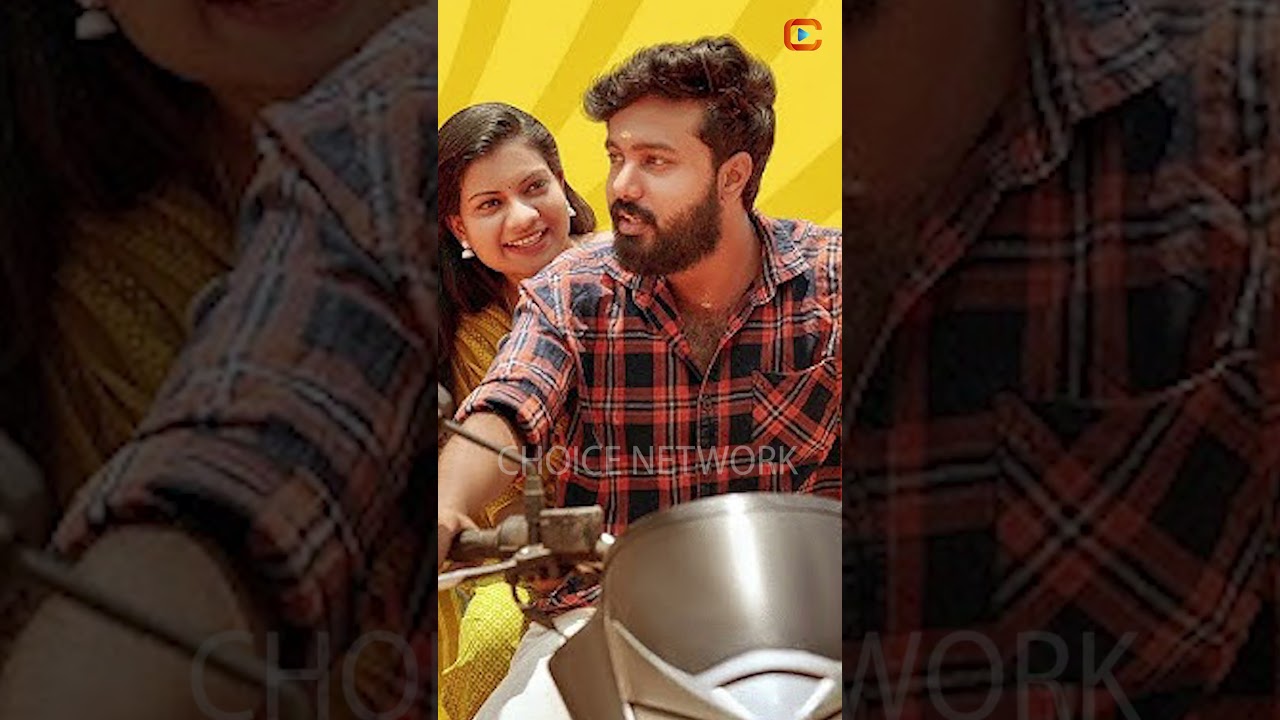
“This is Not the Look in the Movie”: Unpacking the Viral Malayalam Phrase
In the world of cinema, where first impressions are often crafted through glossy posters and enticing trailers, a Malayalam phrase has emerged, capturing the attention of film enthusiasts and casual viewers alike: “ഈ ലുക്കേ അല്ല സിനിമയിൽ…” or “This is not the look in the movie…” This phrase, while seemingly trivial at first glance, has become a staple in discussions and memes surrounding Malayalam cinema. But what does it signify, and why has it resonated so deeply with audiences?
The Origins of the Phrase
The phrase “ഈ ലുക്കേ അല്ല സിനിമയിൽ” doesn’t stem from any single news headline or controversy. Instead, it has organically emerged from the audience’s collective experience of noticing discrepancies between promotional materials and the actual film. In an era where marketing strategies are at their peak, films are often introduced to the audience months before their release through first-look posters, teasers, and social media posts featuring the stars. These promotional images often create a specific expectation about a film or character. However, when viewers finally watch the movie, they might find these expectations unmet, leading to the phrase’s use.
The Gap Between Expectation and Reality
Several factors contribute to the difference in appearance between promotional content and the film itself. Understanding these can offer insights into why the phrase has gained traction:
1. Marketing Strategies
Film marketing teams are tasked with capturing the audience’s attention using the most appealing and glamorous images. These visuals are designed to intrigue and draw viewers into theaters. However, the character in the film might be portrayed as an everyday person or someone enduring significant challenges, requiring a more subdued or realistic appearance. This contrast between the polished promotional look and the character’s on-screen reality can be jarring for viewers.
2. Character Development
A character’s appearance can evolve throughout a film. The look of a character at the film’s start might differ significantly from their appearance by the climax. This transformation can be both emotional and physical, reflecting the character’s journey. However, promotional materials often highlight the most visually striking look, which might not represent the character’s final form.
3. Post-Production Enhancements
The magic of post-production, including color grading, visual effects, and editing, can significantly alter how a scene or character appears. The same character might look different in a still photo compared to the moving images on screen. This post-production process can lead to discrepancies between promotional images and the film’s final look.
Is It a Good or Bad Thing?
The phrase “This is not the look in the movie” isn’t necessarily a critique. In some instances, audiences might find the on-screen portrayal more compelling than the promotional material suggested. This can be seen as a testament to a performer’s ability to embody a character beyond superficial appearances.
Conversely, some viewers might feel misled if they entered the theater expecting a certain aesthetic or tone based on the promotional content. This can lead to disappointment if the film’s narrative or visual style diverges significantly from what was marketed.
A Reflection of Modern Cinema Consumption
Ultimately, the phrase highlights a broader discussion about the relationship between a film’s marketing and its actual content. It reflects an evolving audience that is increasingly aware and critical of how films are presented versus how they are experienced. This awareness is partly due to the rise of social media, where audiences can immediately share their thoughts and reactions, amplifying discussions around such discrepancies.
Conclusion
“This is not the look in the movie” is not a controversy or an accusation. Instead, it has become a cultural expression within the modern cinematic landscape. It opens up conversations about the dynamics between marketing and the actual film experience, offering a lens through which audiences can express their evolving expectations and perceptions.
For the film industry, this phrase serves as a reminder of the importance of authenticity and transparency in marketing. As audiences become more discerning, filmmakers and marketers must navigate the delicate balance between creating intrigue and maintaining honesty about a film’s content. This phrase, therefore, is not just a comment on a character’s appearance but a reflection of the changing tides in how we consume and critique cinema.