Old Malayalam Songs and Modern Sensitivities: A Reflection on Changing Cultural Perceptions
Introduction
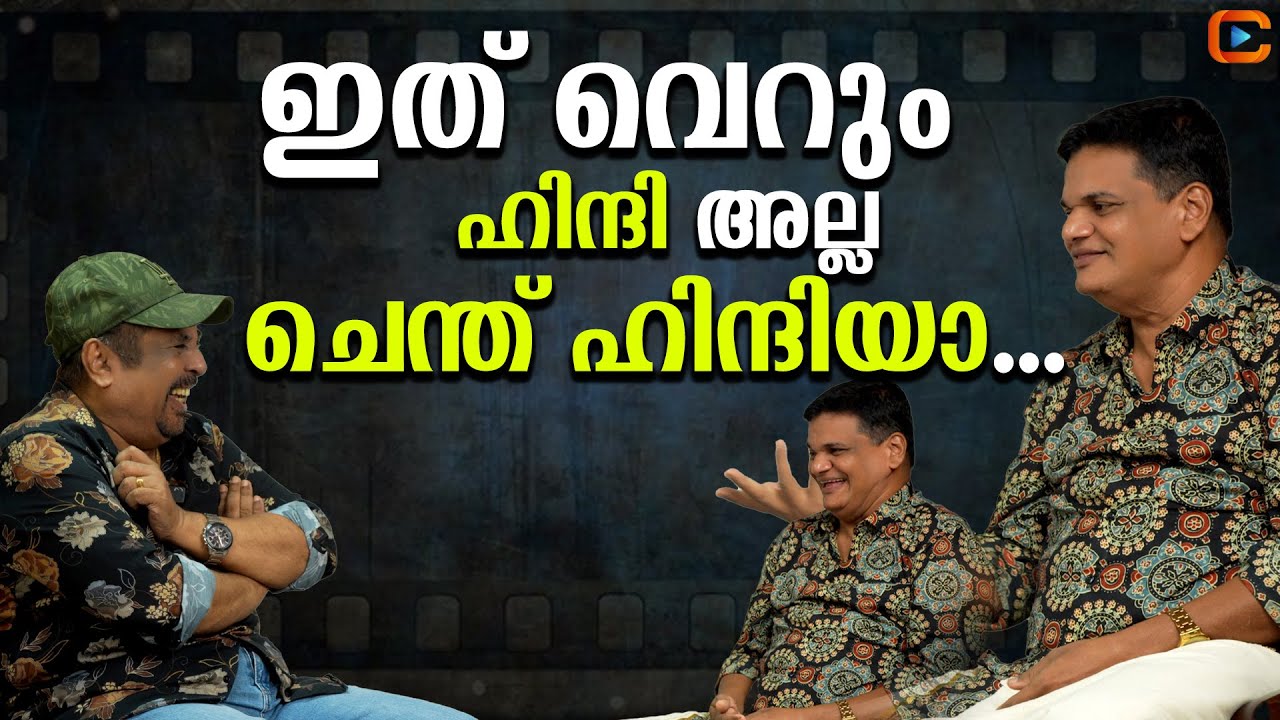
In a rapidly evolving world, where cultural norms and societal values are constantly being re-evaluated, even the realm of music is not immune to scrutiny. This was recently highlighted by Saju Kodiyan, a well-known mimicry artist and actor, who stirred a conversation about the acceptability of certain older Malayalam songs in today’s context. His remarks, particularly focusing on songs composed by the legendary Raveendran, have sparked a broader dialogue about how we perceive art from the past in light of contemporary issues like body shaming.
The Changing Lens: What Did Saju Kodiyan Say?
During a discussion about classic Malayalam songs, Saju Kodiyan expressed his view that some of these songs might not be received well today due to changing social sensitivities. He specifically mentioned the song from the movie “Kizhakkunarum Pakshi,” suggesting that if sung now, it could be criticized as body shaming. His statement underscores how lyrics that were once considered humorous or poetic might now clash with modern views on body image and respect for individual dignity.
Revisiting Raveendran’s Musical Legacy
Raveendran, a revered music director, has given Malayalam cinema countless memorable tunes that continue to be cherished. However, Kodiyan’s comments bring attention to how some lyrics, when viewed through today’s lens of social sensitivity, might not align with current values. This isn’t to say that these songs were intended to harm, but rather that societal awareness has evolved, prompting a re-examination of past artistic expressions.
Key Points of Consideration
-
Cultural Shift: There has been a significant shift in how society views body image and personal respect. What was once considered a light-hearted comment might now be seen as insensitive.
-
Artistic Freedom vs. Social Responsibility: While art is a form of expression, it also holds a responsibility to reflect and respect societal values. This balance is crucial in determining how older works are perceived today.
Opinion, Not Censorship
It’s important to clarify that Saju Kodiyan’s remarks are his personal observations rather than any form of legal or official censorship. There are no legal prohibitions against singing these songs. Instead, Kodiyan highlights the potential for public criticism, especially on social media platforms, where discussions about body shaming are more prevalent.
Understanding Public Perception
-
Social Media’s Role: Platforms like Twitter and Instagram amplify discussions about body positivity and shaming, influencing how content is received.
-
Generational Perspectives: Younger audiences may interpret older songs differently, bringing new insights and criticisms that reflect their values.
Art and Social Sensitivity
Kodiyan’s comments invite a broader reflection on the intersection of art and evolving societal norms. Should art be timeless, or should it adapt to the changing values of society? This question is at the heart of debates about whether older films, literature, and songs should be re-evaluated based on current ethical standards.
The Evolution of Social Awareness
-
From Acceptance to Awareness: Society has moved from a period where comments on body and appearance were casually accepted to one where there is a strong emphasis on respecting individual differences.
-
Impact on Art Consumption: This shift affects how art is consumed and appreciated, with audiences becoming more critical of content that doesn’t align with modern values.
Conclusion
While Saju Kodiyan’s observations might seem like isolated opinions, they reflect a larger conversation about the complex relationship between art and society. As we continue to navigate these changes, it’s essential to consider how past creations are viewed by new generations. Even timeless art can acquire new meanings when seen through the lens of contemporary values, highlighting the dynamic nature of cultural interpretation. This ongoing dialogue encourages us to appreciate the past while remaining mindful of the present, fostering a more inclusive and respectful cultural landscape.