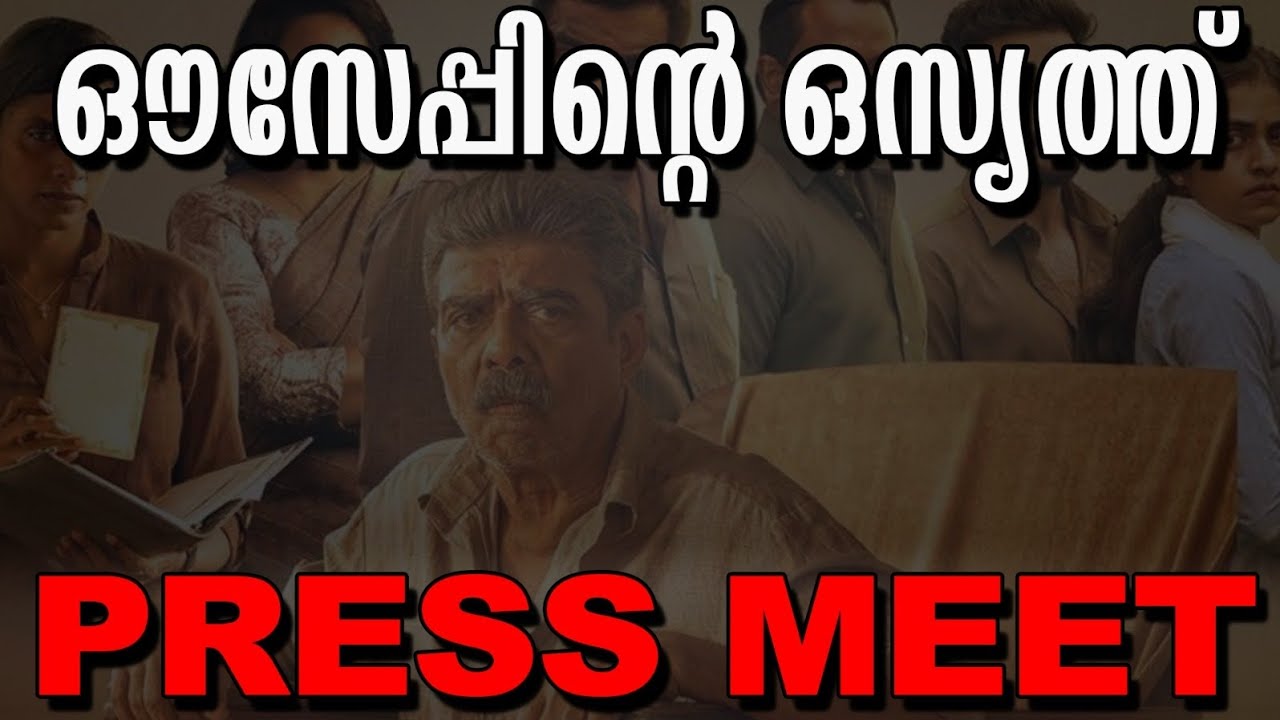
Unraveling the Truth: Did Dileesh Pothan Make That Controversial Statement?
In today’s fast-paced digital world, quotes attributed to prominent figures can spread like wildfire, captivating the public’s imagination and sparking widespread discussion. Recently, a statement allegedly made by renowned director and actor Dileesh Pothan during a press meet for the film “Ouseppinte Osiyathu” has been making the rounds. The quote in question is: “If a person is ruined by watching films, he cannot become good by watching films.” But did Pothan really say this, and what is the truth behind this viral claim?
The Power of Cinema: A Double-Edged Sword
The alleged statement touches on a longstanding debate about the influence of cinema on society. On one hand, critics argue that films can promote violence and negative behaviors, while on the other, advocates believe that good cinema has the power to inspire positive change. Given this context, a comment from a filmmaker of Pothan’s stature would naturally attract significant attention. However, verifying the authenticity of such statements is crucial before accepting them as fact.
Fact-Checking the Claim: What Do the Records Say?
Despite the widespread circulation of this quote, there is no verified information confirming that Dileesh Pothan made such a statement at the press meet for “Ouseppinte Osiyathu.” A thorough examination of available records, including mainstream media reports, official press releases, and press meet videos, reveals no evidence of Pothan making this remark.
Key Findings:
- Focus of Media Reports: The press meet coverage primarily revolves around the film’s content, cast, and crew, rather than any controversial statements.
- Dileesh Pothan’s Role: While Pothan is a key actor in the film, discussions have centered on his character and contributions to the film rather than any public comments on cinema’s societal impact.
- Lack of Credible Reports: No reputable media outlet has reported Pothan making the statement in question, suggesting the quote may have been falsely attributed to him.
In instances where a prominent figure makes a noteworthy statement, it typically garners significant media attention. The absence of such coverage in this case indicates that the quote may be a misattribution.
“Ouseppinte Osiyathu”: The Film and Its Context
“Ouseppinte Osiyathu,” the backdrop for this alleged statement, is a film that has captured attention due to its intriguing premise and star-studded cast, including Dileesh Pothan. While Pothan has participated in various promotional interviews for the film, there is no recorded evidence of him making the controversial statement. Instead, discussions have focused on the film’s themes and the complexities of its characters.
Highlights of the Film:
- Plot and Themes: The film explores intricate narratives and character dynamics, which have been the primary focus of media discussions.
- Pothan’s Contribution: As a key actor, Pothan’s performance and insights into his character have been highlighted in interviews, without any mention of the debated statement.
Conclusion: Distinguishing Rumor from Reality
In summary, the claim that Dileesh Pothan stated, “If a person is ruined by watching films, he cannot become good by watching films,” during the “Ouseppinte Osiyathu” press meet remains unsubstantiated. A careful review of available facts and media reports fails to confirm the occurrence of such a statement.
In the digital age, unverified information and quotes can spread rapidly. It is crucial to verify the source and authenticity of any information before accepting or sharing it. As it stands, there is no credible evidence to support the attribution of this quote to Dileesh Pothan.
Navigating the Digital Information Age
The rapid dissemination of information in today’s digital landscape underscores the importance of critical evaluation and fact-checking. As consumers of information, we must remain vigilant and discerning, ensuring that we rely on credible sources and verified facts. This approach not only prevents the spread of misinformation but also upholds the integrity of public discourse.
As the conversation around cinema and its impact continues, it is essential to base discussions on verified information, allowing for meaningful and informed dialogue.