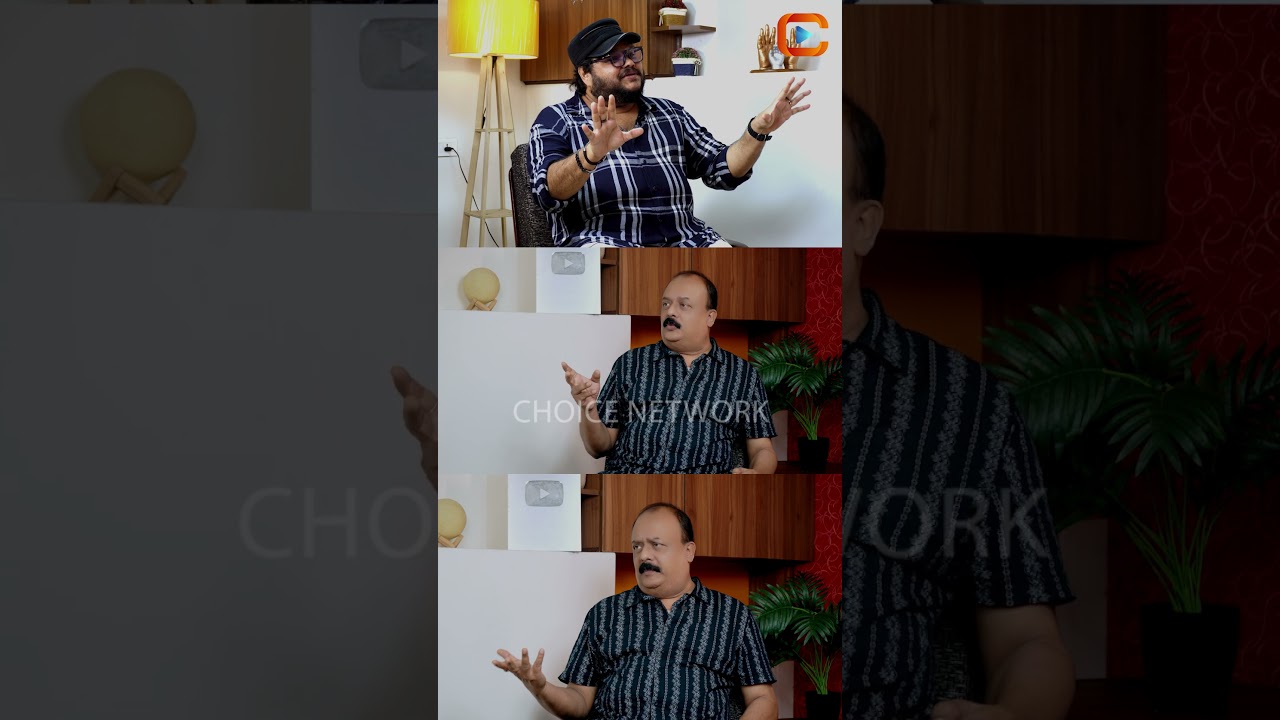
The Unseen Struggles Behind the Glamour of Malayalam Cinema
The phrase “അന്ന് സിനിമ ഉണ്ട്, വേഷം ഉണ്ട്, പക്ഷെ പൈസ ഇല്ലല്ലോ” translates to “Then, there was cinema, there was a role, but there was no money.” This isn’t just a catchy line or a dramatic movie dialogue; it is a stark reflection of the challenges faced by many artists in the Malayalam film industry, both past and present. While opportunities abound, financial compensation often remains elusive, a reality that has shaped the careers of many, including renowned actors like Jagadish. Let’s delve into the historical and contemporary context of this issue and explore why it persists.
Early Career Struggles: Waiting for Recognition
When we look back at the history of Malayalam cinema, it’s evident that many celebrated actors have navigated similar paths of struggle during the early stages of their careers. For these artists, the journey to fame was often paved with roles that offered recognition but not necessarily financial stability. Jagadish, who made his debut in 1984 with “My Dear Kuttichathan,” is a prime example of an actor who has shared insights about these challenges.
For many, each opportunity was seen as a stepping stone towards carving out a niche in the cinema industry. During those times, just having a chance to appear on screen was considered a significant achievement. However, delayed payments, lower-than-expected earnings, or sometimes no payment at all were common occurrences. Despite these hardships, their unwavering passion for the craft propelled them forward. Today, when successful actors reflect on their journeys, the struggles of those early days are often highlighted as the foundation of their eventual success. This period of having opportunities without financial security was a crucial phase in an artist’s life, marking a significant struggle.
The Ongoing Reality of Payment Disputes
If one assumes that these issues are relics of the past, they are mistaken. Payment disputes and grievances remain a pressing issue in the Malayalam film industry today. From top-tier actors to technical staff, many continue to face such challenges. Verbal assurances and unclear agreements often lead to exploitation.
Recently, a prominent film personality took to Instagram to openly declare that they did not receive payment for a project and that there was no financial agreement in place. This incident underscores the gravity of the situation. It’s not an isolated case; numerous individuals in the film industry find themselves working without clear contracts and later struggling to claim their due. The financial outcomes of films often impact artists’ earnings, with the industry’s success or failure not always translating into fair compensation for its contributors. The situation encapsulated by “cinema exists, roles exist, but there’s no money” is not just a nostalgic reminder of the past but an ongoing systemic issue.
Why Does This Situation Persist?
The persistence of financial uncertainty in the glamorous world of cinema can be attributed to several factors:
-
Intense Competition for Opportunities: With thousands vying for a spot in the film industry, newcomers often find themselves compelled to compromise on payment.
-
Unclear Contracts: Many agreements are based on verbal promises rather than legally binding contracts, leading to disputes.
-
Production Uncertainties: When a film’s budget goes awry or its release is delayed, those on the lower end of the pay scale, such as actors and technical staff, are the first to feel the impact.
Ensuring fair compensation for artists who bring their passion to the screen is a moral obligation of the industry. A transparent and equitable system is essential to prevent such concerns from overshadowing the smiles and celebrations we see on screen. Only when both art and artists are equally respected can the art form truly flourish.
The Role of Industry Stakeholders
To address these ongoing issues, it is crucial for all stakeholders within the Malayalam film industry to take proactive steps. This includes producers, directors, and even the artists themselves. Here are some actionable measures:
-
Implement Clear Contracts: Establishing clear, written agreements before commencing any project can help mitigate misunderstandings and disputes. These contracts should outline payment terms, timelines, and contingencies for delays or cancellations.
-
Strengthen Industry Regulations: Industry bodies should work towards creating and enforcing regulations that protect artists’ rights, ensuring that they receive fair compensation for their work.
-
Promote Financial Literacy: Educating artists about financial management and contract negotiation can empower them to make informed decisions and advocate for their rights.
-
Create Support Networks: Establishing support groups or unions for artists can provide a platform for sharing experiences, offering advice, and collectively negotiating better terms.
The Malayalam cinema industry, like any other, thrives on the creativity and dedication of its artists. By addressing the financial uncertainties that many face, the industry can ensure a more sustainable and equitable environment for all involved. This not only benefits the artists but also enhances the overall quality and integrity of the films produced.
Conclusion: A Call for Change
The sentiment captured in “cinema exists, roles exist, but there’s no money” highlights a critical issue that has long been part of the Malayalam film industry’s narrative. While the industry has seen tremendous growth and success, it is imperative to address the financial challenges that continue to affect its artists. By fostering an environment of transparency, fairness, and respect, the industry can ensure that its artists are not only recognized for their talent but also fairly compensated for their contributions. This change is not just necessary for the well-being of individual artists but for the health and sustainability of the industry as a whole.