The Art of Background Music: A Composer’s Personal Revelation
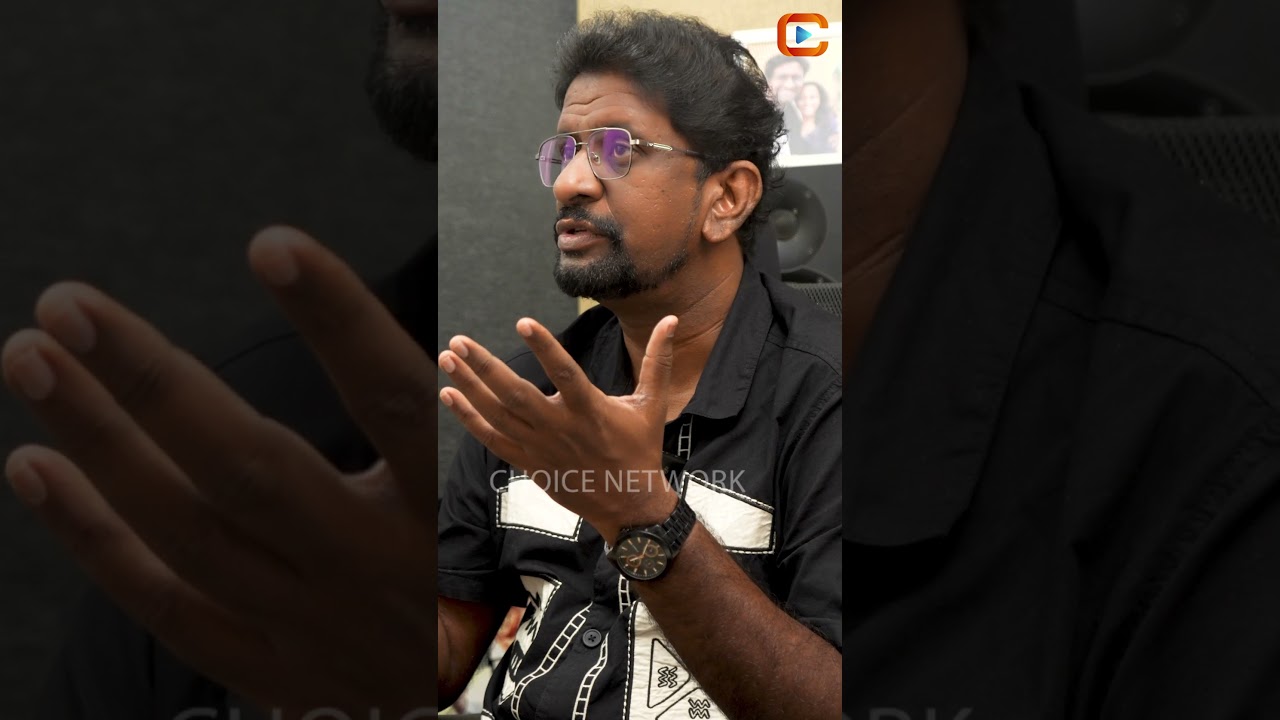
In the world of cinema, music plays a pivotal role in weaving the emotional tapestry that captivates audiences. While songs often linger in our memories, it is the background music that breathes life into every scene, guiding viewers through the emotional journey of the film. But what truly brings more satisfaction to a composer: crafting hit songs or creating the evocative background scores that define a movie’s emotional depth? For one composer, the answer is clear: “I enjoy creating background music more than composing songs.” This statement, shared in a video, shines a light on a deeply personal preference rather than a universal truth, offering a glimpse into the artistic choices that drive this musician.
Why Background Music Holds Greater Appeal
The Creative Freedom of Background Scores
Song composition often follows a structured path, with specific rules and frameworks like verses, choruses, and lyrics that need to be meticulously crafted. The composer’s attention must span the meaning of the lyrics, the vocal capabilities of the singer, and the overall harmony of the piece. In contrast, creating background music offers a different kind of creative process—one that provides the composer with a vast, open canvas.
The primary role of background music is to amplify the emotional resonance of a scene, whether it be joy, sorrow, suspense, or fear. It communicates these emotions to the audience without the need for dialogue, offering a form of expression that transcends words. This creative liberty is what draws some composers to background music, allowing them to craft sounds that perfectly complement the visuals without the constraints of a rigid structure. The joy derived from this process is immense, as it involves crafting music that seamlessly integrates with the film’s narrative.
Songs vs. Background Music: Two Sides of Creativity
Songs often stand alone, enjoyed independently from the films they originate from. They are celebrated as individual works of art and can bring significant attention to the composer when they become hits. In contrast, background music is an integral part of the film, a subtle force that propels the narrative forward by blending seamlessly with the visuals.
Perhaps the greatest background scores are those that go unnoticed by the audience, precisely because they support the film’s flow so naturally. The success of a composer in this realm lies in creating this nuanced influence. While songs may garner applause and fame, the satisfaction for some composers comes from being the emotional backbone of the film, providing an invisible yet powerful support to the story.
A Personal Choice
The statement, “I enjoy creating background music more than composing songs,” reflects a personal artistic preference rather than a critique of songwriting. It offers insight into the dual nature of musical creativity. The revelation, available in video form, paints a clear picture of the artist’s approach to music. No evidence contradicts this preference, affirming its authenticity.
For movie enthusiasts, this revelation offers a fresh perspective. The next time they watch a film, it encourages them to pay attention not just to the songs but also to the background music that animates each scene. Often, the heart of the movie beats within those unnoticed melodies, providing a rich layer of emotional depth that enhances the cinematic experience.
The Emotional Impact of Background Music
Enhancing the Cinematic Experience
Background music is crucial in shaping the emotional landscape of a film. It sets the tone and mood, guiding the audience’s emotional responses to the unfolding drama. Whether it’s the subtle tension of a thriller or the sweeping romance of a love story, background music is the silent narrator that tells the story beyond the dialogue and visuals.
The Composer’s Invisible Hand
The role of the composer in crafting background music is akin to that of a painter using sound to add color and texture to the film’s narrative canvas. This process involves a deep understanding of the film’s themes and emotions, allowing the composer to create music that resonates with the audience on a subconscious level. The challenge and reward lie in crafting music that enhances the story without overshadowing it, a delicate balance that requires both skill and intuition.
Conclusion: Celebrating the Unsung Hero of Film
The preference for creating background music over song composition is a testament to the unique challenges and rewards of this art form. It highlights the composer’s role as an integral part of the filmmaking process, crafting the emotional undercurrent that enriches the viewer’s experience. As audiences become more aware of the impact of background music, they gain a deeper appreciation for the artistry involved in its creation.
In a world where songs often steal the spotlight, it’s important to recognize and celebrate the unsung hero of film—the background music that quietly yet powerfully shapes our cinematic journeys. This personal revelation from a composer serves as a reminder of the diverse paths of creativity and the personal choices that define an artist’s journey.