The Enduring Legacy of “Sridevi Clinic” in Malayalam Cinema
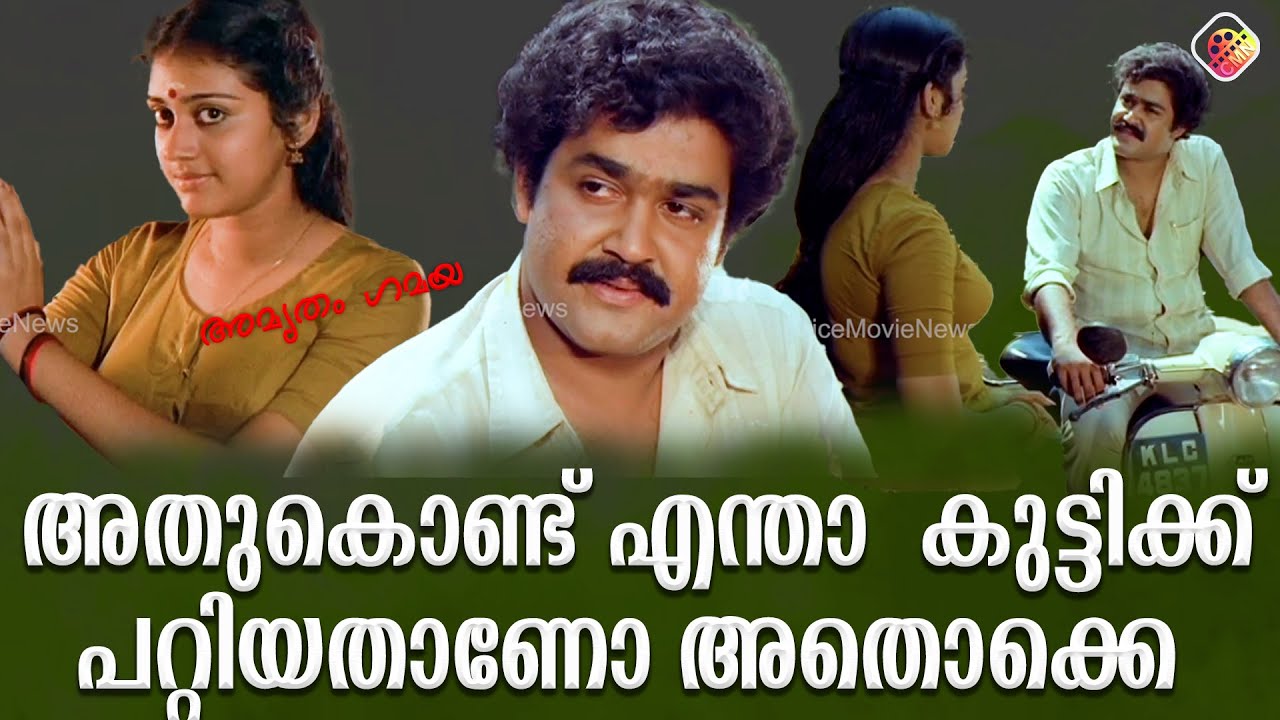
In the vibrant tapestry of Malayalam cinema, certain dialogues have transcended time, leaving an indelible mark on audiences across generations. One such iconic line, “ഏട്ടൻ നഴ്സിംഗ് ഹോം ഇടുമ്പോൾ എൻ്റെ പേരായിരിക്കും, ശ്രീദേവി ക്ലിനിക്,” hails from the 1987 classic film Amrutham Gamaya. Uttered by the character Dr. Haridas, played by the legendary Mohanlal, this dialogue has become emblematic of family aspirations and the warmth of relationships depicted in Malayalam films.
The Cinematic Context: A Blend of Hope and Affection
Directed by Hariharan and penned by the acclaimed writer M.T. Vasudevan Nair, Amrutham Gamaya is celebrated as one of the finest works in Malayalam cinema. The film delves into the emotional turmoil of Dr. Haridas, a character grappling with the burden of past mistakes. Amidst his internal conflicts, there are moments of tenderness and dreams for the future, shared with his relative, Sridevi.
In a poignant scene, Dr. Haridas confides in Sridevi about his dream of establishing a nursing home. He affectionately declares that it will be named “Sridevi Clinic,” a name that symbolizes not only his professional aspirations but also his deep-seated familial bonds. This dialogue encapsulates the essence of a doctor’s journey towards growth and the enduring connections with loved ones.
Why Does This Dialogue Resonate Even Today?
The dialogue from Amrutham Gamaya resonates deeply within the social fabric of Kerala. It reflects the aspirations of countless ordinary families who dream of seeing their members become doctors or engineers and naming their ventures after cherished relatives.
Reflections of Family Bonds
- Dedication to Loved Ones: The dialogue highlights a common sentiment among Malayalis—dedicating personal achievements to family members. The use of “ഏട്ടൻ” (elder brother) and the choice of “Sridevi” as the clinic’s name beautifully illustrate the warmth of familial relationships.
- A Generation’s Ambition: For many families, the dream of becoming a doctor or establishing a clinic or hospital was significant. This cinematic portrayal of that ambition struck a chord with audiences, resonating with their own hopes and dreams.
Reality vs. Imagination: Is “Sridevi Clinic” Real?
Like many famous cinematic dialogues, the concept of “Sridevi Clinic” is purely fictional. It exists solely within the narrative of Amrutham Gamaya, crafted by the creative genius of M.T. Vasudevan Nair. There is no real-life clinic or nursing home associated with this name.
Upon examining available information, there is no evidence to suggest that “Sridevi Clinic” is linked to any real establishment. It remains a product of cinematic imagination, yet its power lies in its ability to resonate with audiences as if it were real—a testament to the compelling storytelling of the film.
The Cultural Impact of Amrutham Gamaya
The dialogue has secured a special place in the history of Malayalam cinema. It serves as a beacon of hope amidst the struggles of Dr. Haridas, a doctor tormented by guilt yet anchored by his affectionate ties. This enduring piece of art continues to evoke images of a doctor’s inner conflicts and his loving relationships, showcasing the timeless power of cinema.
Key Takeaways
- Cinematic Excellence: Amrutham Gamaya stands as a testament to the brilliance of Malayalam cinema, marrying profound storytelling with memorable performances.
- Enduring Dialogues: The film’s dialogues, particularly the one about “Sridevi Clinic,” have become cultural touchstones, reflecting societal values and personal aspirations.
- Family and Dreams: The narrative underscores the importance of family and the dreams that drive individuals, resonating with audiences long after the credits roll.
In conclusion, the dialogue about “Sridevi Clinic” from Amrutham Gamaya is more than just a line in a film. It is a reflection of societal dreams and familial love, immortalized through the art of cinema. As audiences revisit this classic, they are reminded of the enduring power of storytelling to capture the essence of human emotions and aspirations.