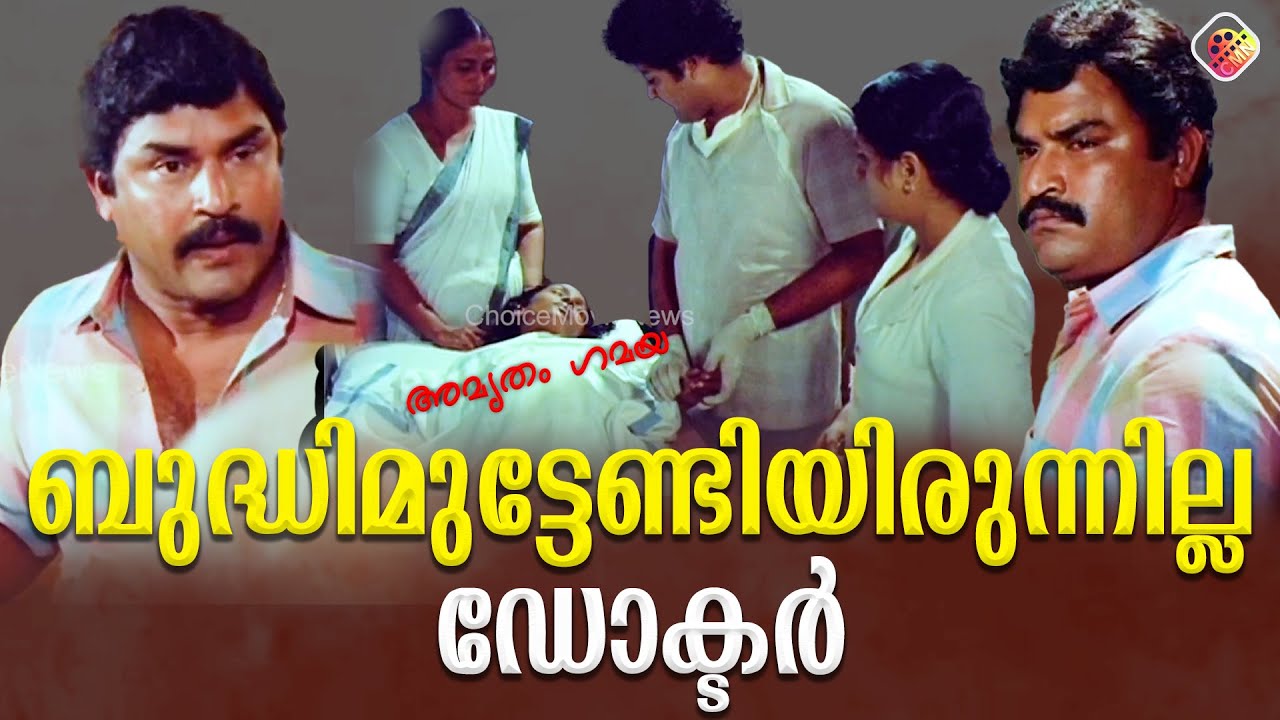
Unforgettable Dialogue: The Enduring Legacy of “Amrutham Gamaya”
In the rich tapestry of Malayalam cinema, certain dialogues transcend time, embedding themselves in the cultural consciousness of audiences across generations. One such iconic line is from the 1987 film Amrutham Gamaya, where the lead character, played by Mohanlal, delivers the unforgettable dialogue: “താൻ എന്നെ ഡ്യൂട്ടി പഠിപ്പിക്കണ്ട, അയാം യുവർ സീനിയർ” (“Don’t teach me my duty, I am your senior”). This line not only captures the essence of hierarchical authority but also reflects the film’s deeper themes of guilt, redemption, and moral struggle.
The Voice of Authority: Context Behind the Dialogue
The dialogue from Amrutham Gamaya, penned by the legendary M.T. Vasudevan Nair and directed by Hariharan, is more than just a line—it’s a declaration of mindset. It vividly portrays the rigid seniority and authority prevalent in the medical field, as depicted in the film. This cinematic moment encapsulates the unspoken rule that juniors must obey their seniors without question, highlighting the arrogance and entitlement that often accompany positions of power.
Hierarchical Dynamics in Medical Profession
In the film, the line serves as a critique of the authoritarian dynamics within the medical college setting. It underscores the expectation that juniors should comply with their seniors’ directives, regardless of personal opinions or ethical considerations. This dialogue becomes a symbol of the pride and inflexibility that often come with seniority, reflecting a broader societal issue where questioning authority is frowned upon.
Guilt and Redemption: The Soul of the Film
At its core, Amrutham Gamaya is a poignant exploration of guilt and the quest for redemption. Mohanlal’s character, Dr. Unnikrishnan, is haunted by a mistake from his student days—a ragging incident that led to a junior’s tragic death. This burden of guilt drives his journey throughout the film, as he seeks to atone for his past actions.
The Deeper Meaning of the Dialogue
In this context, the dialogue “Don’t teach me my duty, I am your senior” gains profound significance. It is not merely an expression of seniority but a reflection of the mindset that led to a catastrophic event. The arrogance encapsulated in those words becomes a haunting memory for Dr. Unnikrishnan, a reminder of the consequences of unchecked authority and the moral dilemmas it can create.
A Classic Collaboration: M.T. Vasudevan Nair and Hariharan
The powerful combination of M.T. Vasudevan Nair’s compelling script and Hariharan’s masterful direction, along with Mohanlal’s unforgettable performance, elevated Amrutham Gamaya to the status of a classic in Malayalam cinema. The film’s exploration of complex human emotions, particularly the intense portrayal of guilt, sets it apart as a significant work in the industry.
The Impact of the Dialogue on Cinema and Society
This dialogue, far from being just a line in a film, embodies the film’s central themes and serves as a reminder of the misuse of authority and its repercussions. Its enduring relevance is a testament to the film’s impact, resonating with audiences who recognize these dynamics in real life.
Why This Dialogue Resonates Decades Later
Decades after its release, the dialogue from Amrutham Gamaya remains etched in the minds of Malayalam audiences. It is not merely a cinematic phrase but a reflection of real-world scenarios where authority is often misused. The line serves as a powerful reminder of the potential consequences of such attitudes, both in professional settings and beyond.
The Dialogue as a Cultural Touchstone
The line has become a cultural touchstone, often cited in discussions about authority and seniority. Its continued relevance highlights the ongoing conversation about power dynamics and the importance of questioning and challenging unjust practices.
Conclusion: A Dialogue That Transcends Cinema
In summary, the dialogue from Amrutham Gamaya is more than just words spoken in a film; it is a symbol of the film’s themes and a reflection of societal issues. Its lasting impact is a testament to the film’s ability to capture the complexities of human emotions and the moral struggles faced by individuals. As a piece of cinematic history, it continues to resonate with audiences, serving as both a cautionary tale and a call for introspection.
This dialogue, with its profound implications, remains a powerful reminder of the importance of humility, accountability, and the courage to question authority. Its legacy endures, inspiring new generations to reflect on the values and ethics that define their actions and interactions.