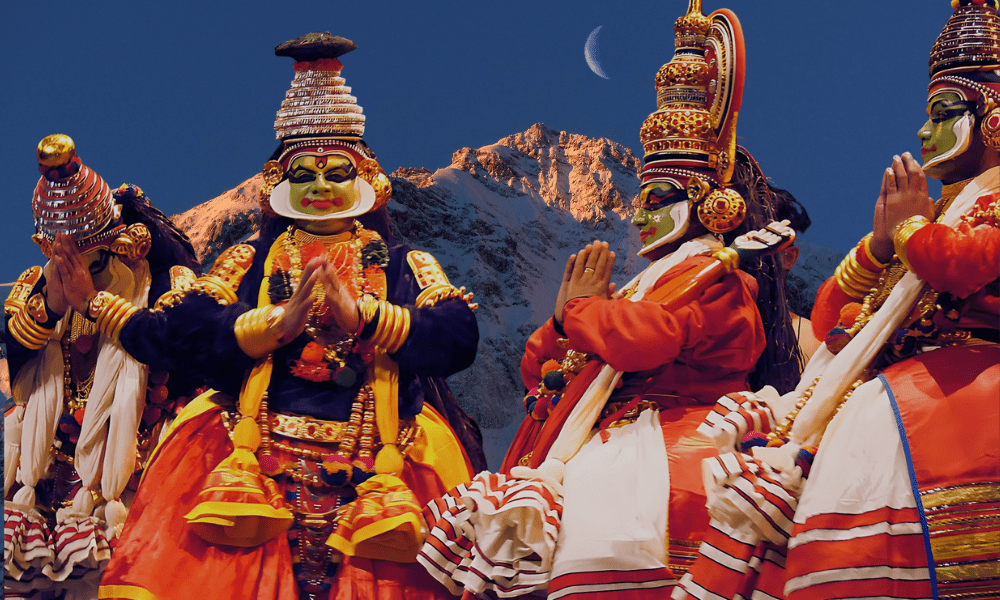
Krishnattom: The Sacred Dance-Drama of Kerala’s Guruvayur Temple
In the vibrant cultural tapestry of Kerala, India, Krishnattom holds a unique place as a sacred dance-drama that intertwines devotion, mythology, and theatrical artistry. Rooted in the traditions of the Guruvayur Sree Krishna Temple, Krishnattom is a mesmerizing spectacle that brings the life of Lord Krishna to the stage through a series of eight plays. This ancient art form is not just a performance but a deeply spiritual ritual that has been preserved through centuries of devotion and royal patronage.
The Birth of Krishnattom: A Royal Vision
The origins of Krishnattom are steeped in legend and devotion. It was conceived in the mid-17th century by King Manaveda, the Zamorin Raja of Calicut, who was a fervent devotee of Lord Krishna. Inspired by a divine vision of Krishna at the Guruvayur temple, King Manaveda composed the Sanskrit text Krishnagiti, which serves as the narrative foundation for Krishnattom. This poetic work was crafted to bring the deity’s stories to life, creating a theatrical offering that would resonate with devotees.
From Text to Temple
The transformation of Krishnagiti into a living art form was a monumental endeavor. King Manaveda’s vision was not just to create a text but to establish a vibrant performance tradition that would serve as both entertainment and a form of worship. The Guruvayur temple became the custodian of this tradition, ensuring that Krishnattom remained a vital part of its spiritual and cultural life.
The Eight-Night Journey: Chronicles of Lord Krishna
Krishnattom is an epic narrative that unfolds over eight consecutive nights, each night dedicated to a different chapter in the life of Lord Krishna. This structured approach allows for a deep exploration of Krishna’s mythology, offering both dramatic storytelling and spiritual reflection.
The Episodes of Krishnattom
Each of the eight plays is a distinct episode, rich with its own themes and significance:
- Avataram: The miraculous birth of Krishna, heralding the arrival of the divine on Earth.
- Kamsavadham: The thrilling tale of Krishna’s defeat of the tyrant King Kamsa.
- Svargarohanam: The serene and poignant depiction of Krishna’s ascent to the heavens.
These episodes are more than just stories; they are spiritual experiences that offer devotees a chance to engage with the divine narrative.
The Visual and Auditory Splendor of Krishnattom
Krishnattom is renowned for its striking visual and auditory elements that captivate audiences and enhance the storytelling experience.
Costumes and Masks
Performers don elaborate costumes and headgear that are integral to the visual identity of Krishnattom. The peacock feather on Krishna’s crown is particularly iconic, symbolizing the king’s divine vision. Unlike Kathakali, which is known for its intricate facial makeup, Krishnattom utilizes painted masks to convey characters and emotions, adding a layer of mystique and tradition to the performance.
Musical Accompaniment
The musical backdrop of Krishnattom is provided by a traditional ensemble of instruments, creating a rich soundscape that complements the visual drama. Key instruments include:
- Maddalam: A barrel-shaped drum that provides the rhythmic foundation.
- Elathalam: Cymbals that add texture and rhythm.
- Changila: A gong that punctuates the performance with resonant tones.
- Edakka: An hourglass-shaped drum known for its subtle, emotive sounds.
This orchestration not only supports the dancers but also immerses the audience in the devotional atmosphere.
Krishnattom as a Ritual Offering
Beyond its artistic merit, Krishnattom is deeply embedded in the spiritual practices of the Guruvayur temple. Each performance is a vazhipadu, or ritual offering, that devotees can sponsor for specific blessings. The episodes are believed to confer various spiritual benefits, such as:
- Progeny: Performances like ‘Avataram’ are offered for the blessing of children.
- Marriage: Episodes such as ‘Kamsavadham’ may be chosen for marital success.
- Protection: Plays like ‘Svargarohanam’ are sought for protection from adversaries.
This ritual aspect underscores Krishnattom’s role as a living tradition that continues to nurture the spiritual needs of its community.
Distinguishing Krishnattom from Kathakali
Despite their similarities, Krishnattom and Kathakali are distinct art forms with unique origins and characteristics. Krishnattom predates Kathakali and has influenced its development, yet maintains its own identity through:
- Use of Masks: Krishnattom’s reliance on masks contrasts with Kathakali’s facial makeup.
- Facial Expressions: The less elaborate expressions in Krishnattom highlight the performance’s ritual focus.
- Choreography: Krishnattom follows a traditional choreography that is unique to its narrative style.
These differences highlight the unique cultural and spiritual significance of Krishnattom, distinguishing it within the rich landscape of Indian classical arts.
Conclusion: A Living Legacy
Krishnattom stands as a testament to the enduring power of art as a conduit for devotion and cultural expression. Born from the vision of a devout king and sustained by the Guruvayur temple, this sacred dance-drama continues to enchant and inspire. It offers a profound connection to the divine, weaving together mythology, music, and ritual in a celebration of life and spirituality. As both a historical treasure and a vibrant contemporary practice, Krishnattom remains a vital part of Kerala’s cultural heritage, inviting all to witness the divine dance of Lord Krishna.