Kathakali Mudras: The Silent Symphony of Indian Classical Dance
Imagine entering a world where epic tales of gods, demons, and heroes are vividly brought to life without a single spoken word. Welcome to the mesmerizing realm of Kathakali, a classical dance-drama from Kerala, India, where the art of storytelling is elevated to a sublime level through the use of mudras. These symbolic hand gestures form a sophisticated visual language, allowing performers to convey intricate narratives, emotions, and characters with unparalleled depth and clarity.
The Intricate Language of Mudras
In the enchanting world of Kathakali, mudras serve as the silent alphabet of storytelling. These precise hand gestures are executed with deliberate movements of the fingers, hands, and wrists, creating a repertoire of 24 major mudras. This codified system functions much like an alphabet, enabling dancers to spell out words, actions, objects, and even abstract concepts.
Crafting Narratives with Gestures
The mudras in Kathakali allow performers to articulate complex narratives drawn from Hindu epics. A single gesture might signify a flower, a weapon, or a deity, while a sequence of mudras can depict a journey through a forest, a heated argument between a hero and a demon, or the blossoming of love. This silent language becomes the primary vehicle for the plot, making the performance accessible and clear to an informed audience.
The Art of Total Expression
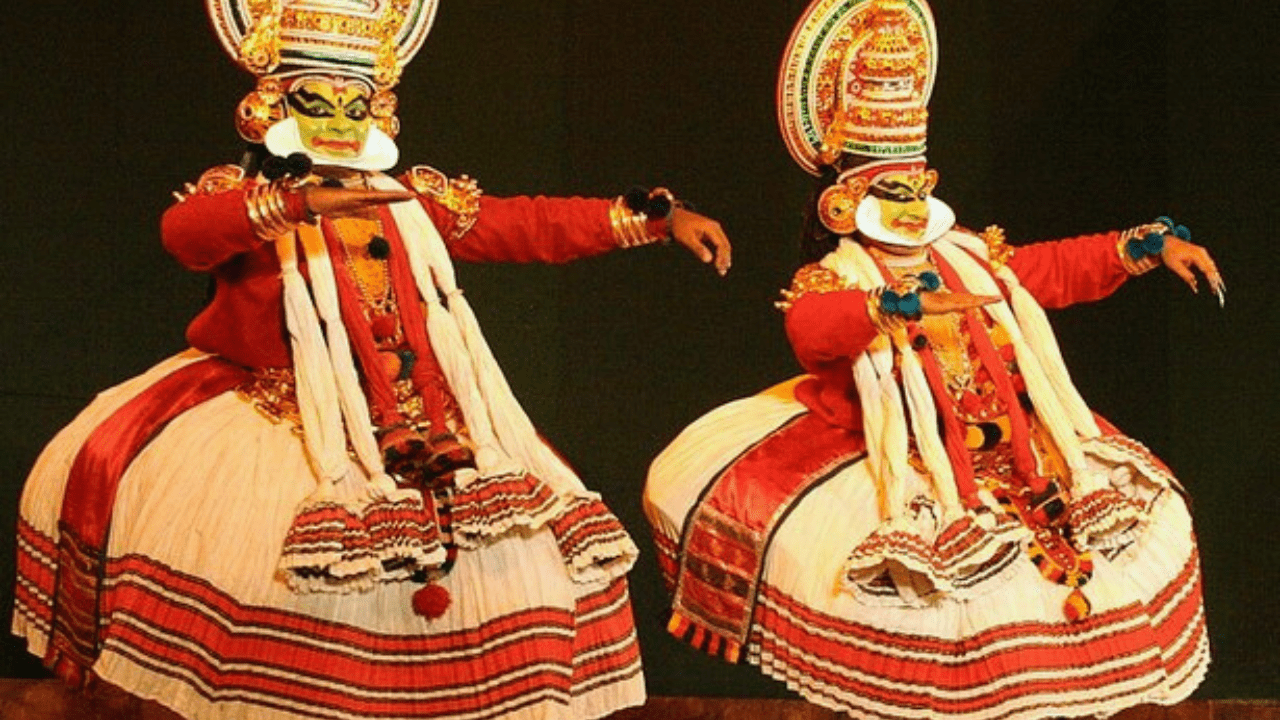
The true magic of Kathakali mudras is realized when they are integrated with the performer’s entire being. These gestures are not performed in isolation; they are deeply intertwined with elaborate facial expressions, known as abhinaya, and intense, meaningful eye movements. This fusion of hand, face, and eye is what imbues the performance with emotional depth and dramatic clarity.
Rigorous Training for Mastery
Kathakali artists undergo years of intensive training to master this intricate art form. This rigorous discipline is necessary to perfect not only the physical shape of each mudra and its variations but also the art of synchronizing them seamlessly with body language and facial muscle control. Through this holistic approach, a dancer effectively communicates the subtle nuances of a character’s inner world, from divine grace to demonic fury.
A Visual Cast of Characters
One of the most compelling aspects of mudras is their ability to portray a wide range of characters. With a specific set of gestures, a dancer can instantly embody gods, revered heroes, cunning demons, or even animals. This codified language makes each character immediately recognizable to the audience, establishing their identity and nature without uttering a single line of dialogue.
Bringing Characters to Life
This visual shorthand is essential to the drama of Kathakali. For instance, the precise mudra for a lion, combined with the appropriate posture and expression, creates a vivid and primal image far more powerful than words alone might achieve. The dancer’s hands sculpt the air, bringing to life the entire cast of characters that populate the grand legends of India.
Ancient Roots and Sacred Significance
The system of mudras in Kathakali is not a recent invention. Its origins are deeply embedded in ancient Hindu rituals, mythology, and spiritual traditions, sharing a lineage with gestures found in other classical Indian art forms and religious practices. Developed within the temple culture of Kerala, Kathakali has retained its ritualistic and symbolic roots for centuries.
A Bridge to the Divine
This sacred context elevates the mudras beyond mere storytelling tools. They serve as a bridge to the divine, a physical manifestation of ancient lore. When a performer executes a mudra, they are participating in a tradition that connects them—and the audience—to the timeless spiritual and cultural foundations of the art form. It is this profound connection that gives Kathakali its enduring, mystical power, where every gesture is encoded with meaning, emotion, and the weight of history.
The Cultural and Ritual Context
Kathakali, with its rich tapestry of mudras, is not just an art form but a cultural treasure that reflects the spiritual and historical essence of Kerala. The dance form evolved within the temple culture, where it was initially performed as a ritual offering to deities. Over the centuries, it has retained its symbolic roots while also adapting to the changing cultural landscape.
Preserving a Timeless Tradition
Today, Kathakali continues to be a vibrant part of Kerala’s cultural heritage, with performances held in temples, cultural festivals, and theaters around the world. The intricate mudras, combined with the elaborate costumes, makeup, and music, create a sensory spectacle that captivates audiences and transports them to the mythological realms of ancient India.
Conclusion: The Enduring Legacy of Kathakali Mudras
Kathakali mudras unveil the mystic language of this classical dance by providing a detailed, non-verbal storytelling system where every gesture is imbued with meaning, emotion, and narrative function. This silent language, when combined with music, costumes, and expressive acting, allows Kathakali to convey the depth and complexity of India’s mythological heritage.
Through the artistry of mudras, Kathakali transcends the boundaries of spoken language, inviting audiences into a world where stories are told with the elegance of a dancer’s hands and the intensity of their gaze. As a testament to the enduring power of this ancient art form, Kathakali continues to enchant and inspire, preserving the rich cultural legacy of Kerala for generations to come.