From Sketch to Storefront: How AI is Weaving a New Future for Fashion Design
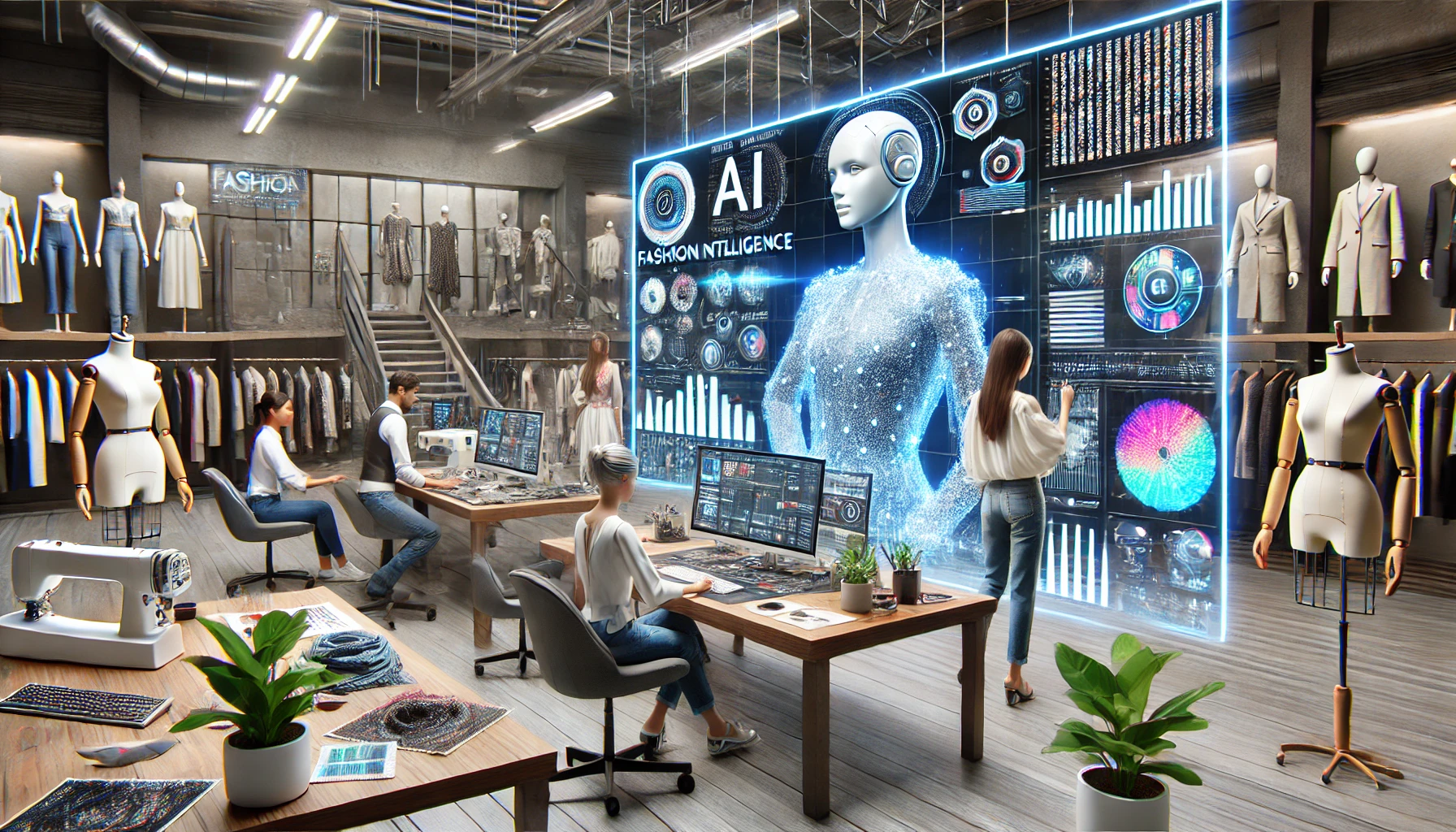
In the heart of a fashion designer’s studio, where creativity flows as freely as the fabric, a new player is emerging alongside the traditional tools of the trade: artificial intelligence (AI). Contrary to fears of automated artistry, AI is proving to be an invaluable ally, enhancing creativity and boosting efficiency throughout the fashion design process. This technological evolution is not about replacing human designers but empowering them to push boundaries, explore new aesthetics, and streamline workflows from concept to creation.
AI: The Creative Catalyst
Expanding the Designer’s Palette
AI-powered design tools are revolutionizing how designers approach their craft. By analyzing extensive datasets that encompass historical trends, cultural movements, and current consumer preferences, AI can generate unique patterns and suggest innovative design elements. This technology acts as a creative catalyst, offering a vast array of ideas that designers can draw from to create their masterpieces.
Instead of starting with a blank canvas, designers now have the opportunity to collaborate with AI, which provides an expansive palette of possibilities. This collaboration does not diminish the designer’s role but enhances it, allowing them to curate and refine AI-generated suggestions into a cohesive vision. The result is a harmonious blend of technology and human artistry, where designers maintain full creative control.
Streamlining Technical Tasks
Beyond sparking creativity, AI excels in automating the technical tasks that often consume valuable time and resources. By handling these repetitive and time-consuming tasks, AI allows designers to focus more on the creative process. Some of the key areas where AI is making a significant impact include:
- Pattern and Color Generation: AI can swiftly create complex digital patterns and select color palettes that align with market trends.
- Fabric Simulation: Virtual rendering of materials allows designers to visualize how fabrics will drape and move, reducing the need for physical samples.
- Product Tagging: Automating the categorization of garments for e-commerce platforms ensures efficiency and accuracy.
By offloading these tasks to AI, designers can dedicate more time to innovation and strategic decision-making, resulting in a more agile and focused workflow.
Predicting and Shaping Trends
Data-Driven Trend Forecasting
In the fast-paced world of fashion, staying ahead of trends is crucial. AI is transforming trend forecasting by providing designers with a data-driven advantage. Machine learning models can analyze vast amounts of data from social media, e-commerce platforms, and past collections to identify emerging patterns and consumer preferences.
This predictive capability allows brands to plan collections that resonate with their target audience, increasing the likelihood of commercial success. By understanding what consumers want before they even know it themselves, designers can make informed decisions that align with market demands.
Building a Sustainable Fashion Ecosystem
Enhancing Efficiency and Sustainability
AI’s benefits extend beyond design and into the production process, fostering a more sustainable fashion industry. Before any fabric is cut, AI-powered visualization tools enable designers to create photorealistic mockups and conduct virtual fittings. This reduces the need for physical prototypes, saving time, money, and materials while minimizing errors.
Moreover, AI contributes to sustainability in several key areas:
- Waste Reduction: AI algorithms optimize pattern placement on fabric, minimizing material waste.
- Demand Forecasting: Accurate demand predictions help brands avoid overproduction, a significant source of waste and environmental strain.
- Ethical Supply Chains: AI monitors supply chains, ensuring ethical compliance and transparency.
Supporting the Circular Fashion Movement
AI is also playing a crucial role in the growing circular fashion market. In resale and secondhand platforms, AI-powered computer vision and dynamic pricing algorithms streamline quality control, categorization, and pricing. This efficiency is vital for promoting sustainability and reducing fashion waste.
The Human Touch in a Digital Age
AI as a Creative Assistant
While AI is reshaping the fashion industry, concerns about job displacement are natural. However, the current consensus is that AI functions as a creative assistant, not a replacement for human designers. The technology excels at data processing and technical execution but lacks the human capacity for storytelling, cultural understanding, and artistic intuition.
AI can identify what is popular, but it is the human designer who understands why. This collaboration between AI and human creativity results in collections that are not only innovative and trend-aligned but also deeply resonant with audiences.
A New Chapter in Fashion Design
The integration of AI in fashion marks the beginning of a new chapter, one where technology and creativity coexist to drive the industry forward. By combining data-driven efficiency with limitless creative exploration, AI is helping to build a fashion landscape that is smarter, more sustainable, and more innovative than ever before.
In this evolving landscape, the role of the designer is not diminished but enhanced. AI serves as a powerful tool that amplifies human ingenuity, allowing designers to push boundaries and create fashion that is both artful and aligned with consumer desires. As AI continues to weave its way into the fabric of fashion design, it promises to unlock new possibilities and redefine what is possible in the world of style.