Diwali: The Festival of Lights That Unites Cultures and Faiths
As autumn ushers in longer nights, a radiant glow envelops homes and streets across India and beyond. This brilliance marks the arrival of Diwali, the Festival of Lights, a celebration steeped in ancient traditions and rich symbolism. Known as Deepavali in Sanskrit, meaning “a row of lights,” Diwali is not only a significant holiday in India but also a festival that transcends cultural and religious boundaries, promoting unity and enlightenment.
The Origins and Timing of Diwali
Diwali’s origins stretch back over 2,500 years, firmly rooting it as one of India’s most ancient and revered festivals. The timing of Diwali is determined by the lunar calendar, typically falling in late October or early November. This timing aligns with the darkest new moon night of the Hindu lunisolar months, making the lighting of lamps and candles a profound symbol of light overcoming darkness.
The Symbolism of Light
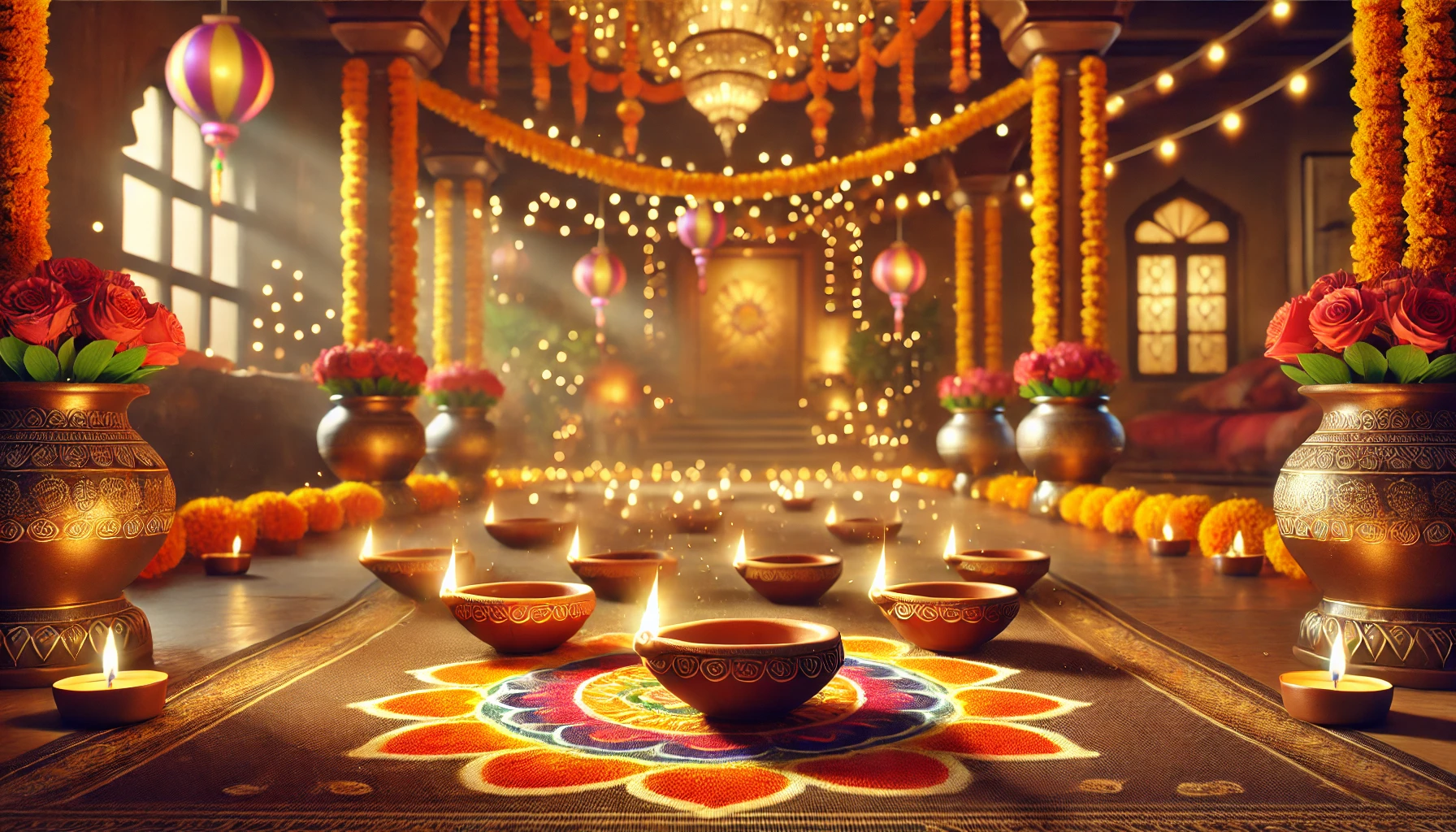
At the heart of Diwali is the lighting of diyas, small clay oil lamps. These lamps, placed in rows along windowsills, doorways, and walkways, serve a dual purpose: they are both a decorative element and a spiritual invitation. By lighting these lamps, devotees welcome Lakshmi, the Hindu goddess of wealth and prosperity, into their homes. This act symbolizes more than just decoration; it represents the triumph of knowledge over ignorance and good over evil, a beacon of hope and renewal for the coming year.
Diverse Religious Significance
Diwali is celebrated by followers of several major religions, each attributing different historical and spiritual significance to the festival. Despite these variations, a shared theme of victory and enlightenment runs through all these narratives.
Diwali in Hinduism
For Hindus, Diwali’s significance varies by region:
- In North India, it celebrates the return of Lord Rama to his kingdom of Ayodhya after his victory over the demon king Ravana. The lighting of lamps symbolizes the joy of the people of Ayodhya at their king’s return.
- In South India, the festival commemorates Lord Krishna’s triumph over the demon Narakasura, a victory of good over evil.
- For other Hindu communities, Diwali marks the marriage or birthday of the goddess Lakshmi, highlighting the themes of prosperity and auspicious beginnings.
Diwali in Jainism
For Jains, Diwali is a sacred occasion marking the attainment of nirvana, or spiritual liberation, by their spiritual leader Mahavira. This day is celebrated with prayers and rituals that honor Mahavira’s teachings and the path to enlightenment.
Diwali in Sikhism
In Sikhism, Diwali coincides with Bandi Chhor Divas, which commemorates the release of Guru Hargobind Ji from imprisonment. This event is a profound symbol of freedom and justice, celebrated with fervor and joy among Sikh communities.
A Celebration of Family and Community
Beyond its religious significance, Diwali is a deeply social and familial festival. Preparations begin well in advance, as families clean and decorate their homes, a gesture that signifies a fresh start and the clearing away of past misfortunes.
Key Customs and Traditions
The five-day festival is filled with customs that foster community bonds and familial ties:
- Exchanging Gifts: Families and friends exchange gifts, a gesture of goodwill and affection that strengthens relationships.
- Making and Sharing Sweets: Sweet and savory treats are prepared and shared in abundance, symbolizing the sweetness of life and the joy of giving.
- Festive Feasts: Families gather for elaborate meals, bringing together generations and reinforcing the importance of unity and togetherness.
These activities transform Diwali from a purely religious observance into a vibrant cultural celebration. It is a time for reconnecting with loved ones, fostering a spirit of generosity, and enjoying the simple pleasures of life.
Diwali Around the World
Diwali is not confined to India; it is celebrated by Indian communities worldwide, making it a global festival of light and joy. In countries with significant Indian diasporas, such as the United States, the United Kingdom, and Canada, Diwali is celebrated with equal enthusiasm, showcasing the rich cultural heritage of India and its ability to bring people together across borders.
The Global Impact of Diwali
In many parts of the world, Diwali is recognized as an official holiday, celebrated with public events, fireworks, and cultural performances. These celebrations serve as a reminder of the universal values of light, hope, and unity that Diwali embodies.
Conclusion: Diwali’s Enduring Legacy
Diwali, the Festival of Lights, is more than just a celebration; it is a testament to the enduring power of light over darkness and the universal desire for peace, prosperity, and joy. Its ability to unite diverse cultures and faiths under a common banner of hope and renewal is a powerful reminder of the shared human experience. As lamps are lit and sweets are shared, Diwali continues to illuminate hearts and homes, spreading its message of unity and enlightenment across the globe.