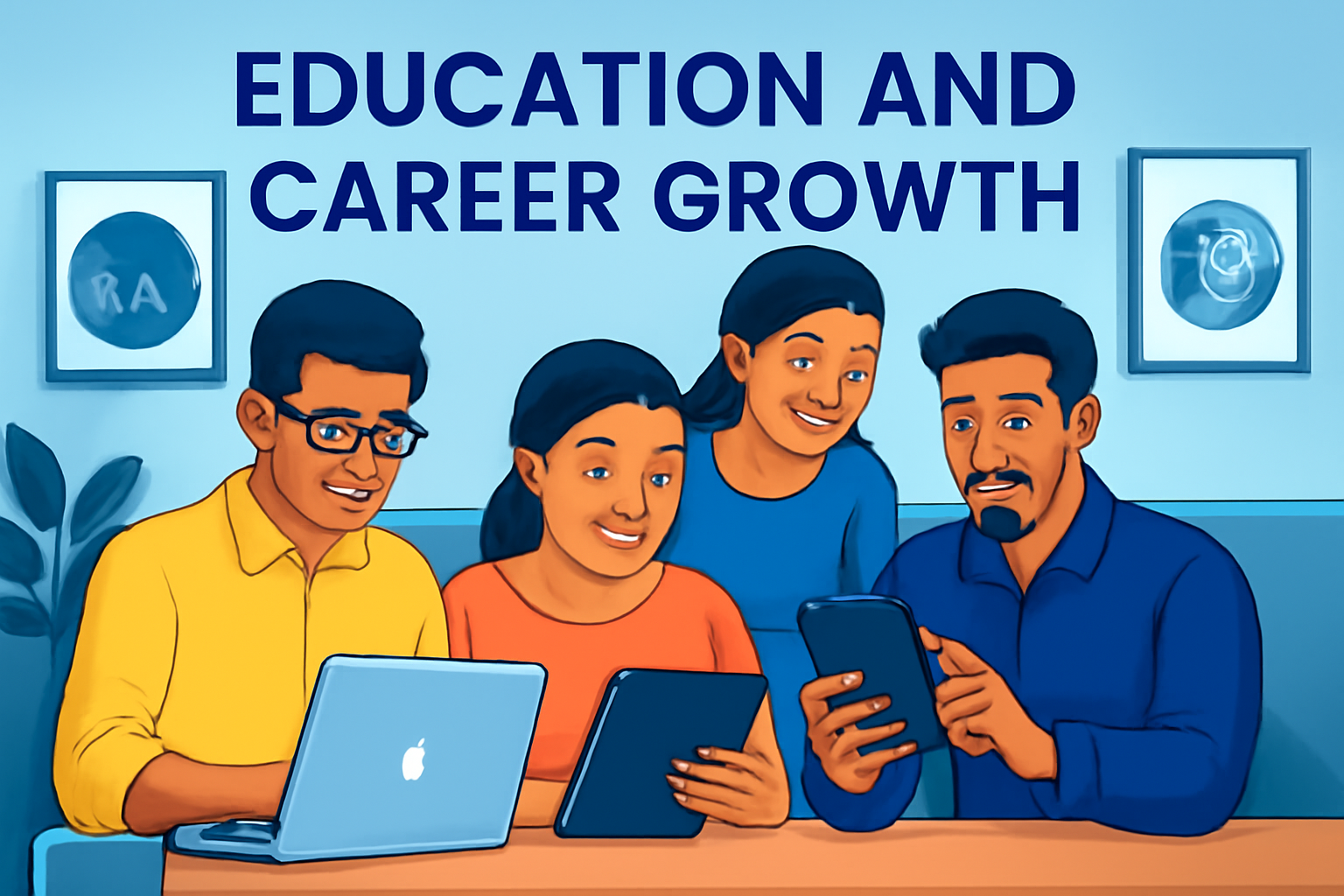
Imagine yourself in a classroom of India in 2000. Would anyone have guessed jobs such as Data Scientist, App developer, YouTube Content Creator or Cloud Architect, would be among the most important two decades later. A recent LinkedIn study found that half of India’s most promising careers will exist in 2025. These roles didn’t exist 25 years prior. This shift highlights how technology, creativity, and globalization have changed what it means to be a professional in India today.
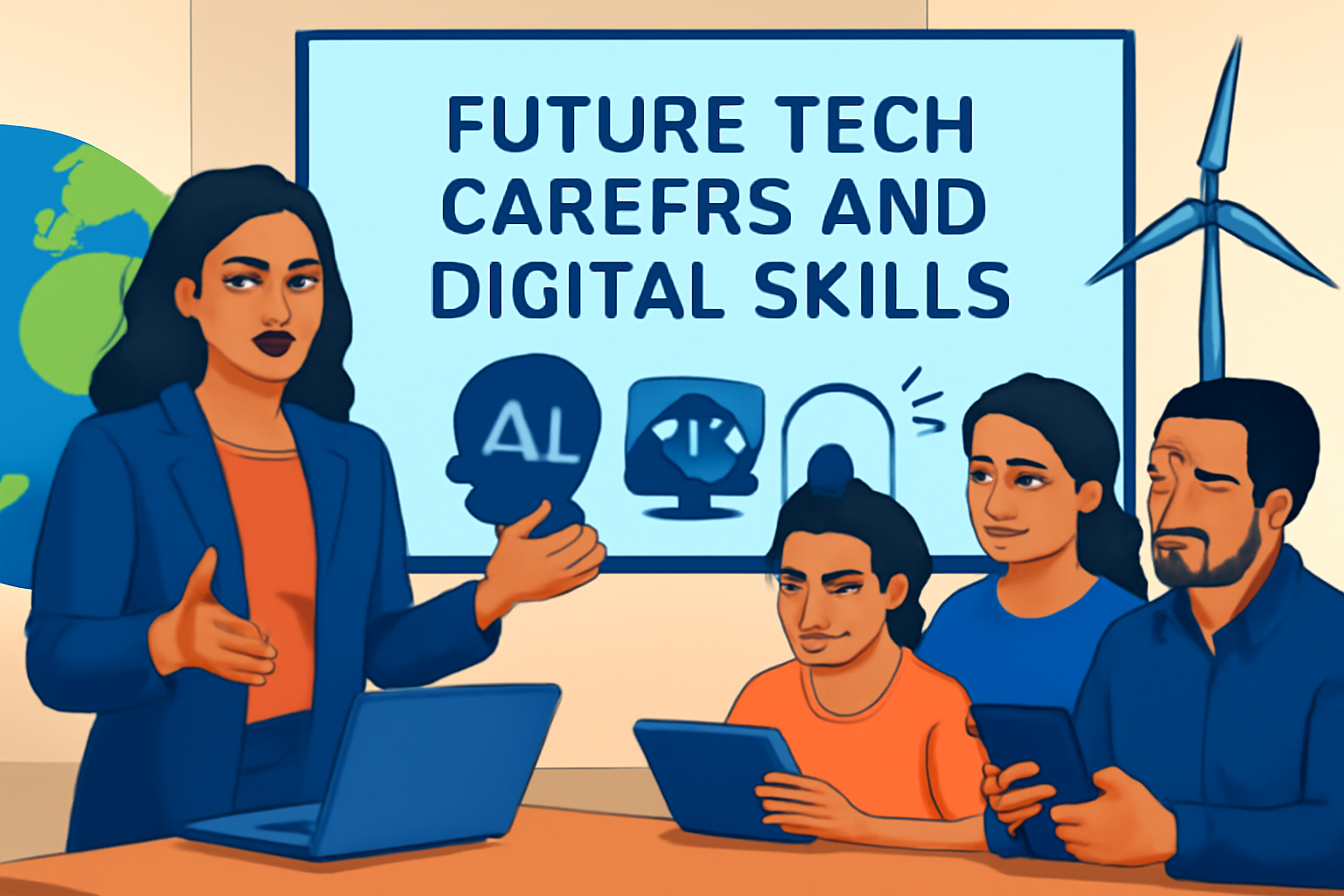
How did we get here?
Since the turn of millennium, the world of work has undergone a dramatic change. Tech boom, internet growth, smartphone revolution and digital economy all played a major role. LinkedIn data shows today that while the Y2K era emphasized fields such as engineering, medicine and public sector work, new opportunities in these areas are digital, dynamic and fueled with innovation.
Careers that Didn’t Exist Twenty Five Years Ago
The following are some of the most popular job titles that Indian employers are currently hiring for:
- Data scientist: Leveraging vast datasets to drive business insight
- Digital marketing specialist: Targeting audience with precision on the internet.
- App developer: Building tools that we use on our smartphones every day.
- Cloud architect: Designing technology infrastructure that is scalable.
- User experience (UX Designer): Enhancing interaction with digital platforms
- GenAI prompt engineer: creating AI prompts to power next-generation software.
- Influencer on social media: Changing opinions and consumer decisions online.
- Cybersecurity analyst: Protecting organisations in the digital age.
Visit artkerala.com to see more examples of digital-first careers and their impact.
What is driving these changes?
There are several major factors at play.
- Technology From artificial intelligence to cloud computing, technology is spawning new fields. (Read about India’s Tech Transformation in this TechCrunch Article for a deeper dive).
- Education: Online Learning Platforms, Coding Bootcamps and Flexible Degrees make it easier for reskilling or upskilling.
- Globalization Indian companies, professionals and businesses have become key players in the global digital economic system.
- Entrepreneurship Startup boom has led to new job titles.
LinkedIn Career Evolution Updates (external link: linkedin.com) provides more information on trends.
What does this mean for job seekers?
- Adaptability: The ability of learning new skills quickly has never been more valuable. Artkerala.com offers guides, links to courses, and career mentoring that will help you stay on top.
- Continued Learning: Short courses, online certifications and micro-credentials allow you to pivot when new fields are emerging. Consider enrolling in platforms like Coursera or Udemy (external: coursera.org).
- Networking is important: Connect with professionals in new fields by using sites such as LinkedIn and artkerala.com.
- Experience in multiple digital domains is important: Employers are looking for candidates who have a diverse range of skills.
How to navigate your future career: Practical steps
- Follow the trending job titles via LinkedIn (external link: linkedin.com/jobs).
- Follow career insights and guidance at artkerala.com/careers.
- Don’t hesitate to take on roles with “new” skills.
- See more articles and resources on artkerala.com/blog to stay updated with the latest technology and soft skills.
Final Thoughts
India’s job market is changing faster than ever before, and opening up doors that were barely imaginable a generation back. If you are a student, working professional or considering a career pivot in mid-life, it is important to stay curious, agile and ready to learn.
For a constantly updated list of fast-growing careers and detailed guidance, visit artkerala.com/careers. Check out these external resources to see how workplaces around the world are changing: LinkedIn Economic Graph, and India Skills Report.