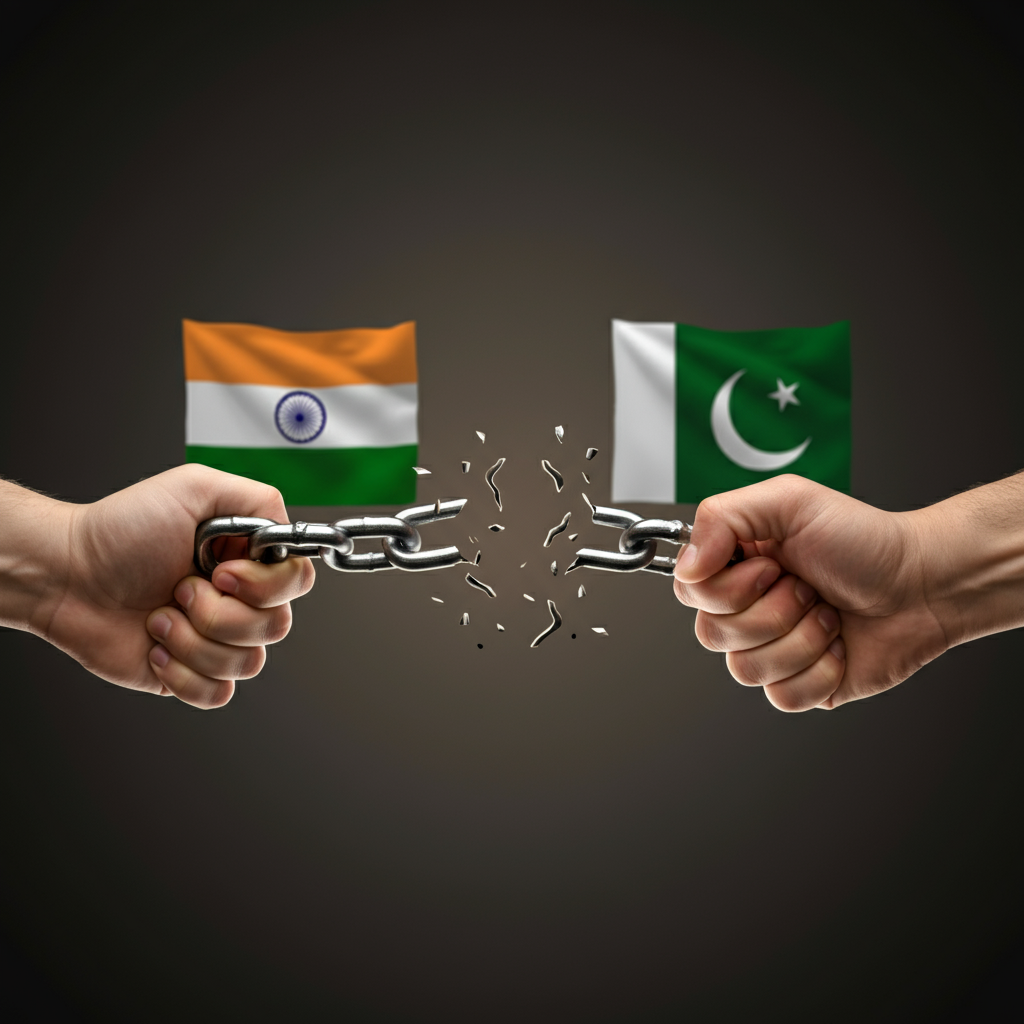
India recently made a bold move to ban imports from Pakistan in the wake of the horrific attacks that took place in Pahalgam, Jammu and Kashmir which left 26 people dead. The attack was a tragic loss of life of innocent tourists and civilians who were enjoying the beauty of the region is causing anguish and sadness across the country. By imposing the trade ban India sends a powerful message to the world community of its zero tolerance stance regarding terrorism across borders.
The announcement was swiftly made following the attack. It was issued by the Directorate General of Foreign Trade. The directive prohibits imports of all goods and services from Pakistan and is effective immediately. In a statement, the Ministry of Commerce described the move as essential for “protect national security and public interest.”
Grief and Anger as a Nation Mourns
The attack on Pahalgam was not just another tragedy, it shook the nation’s core. Families lost loved ones who just set out to explore the tranquil splendor that is the Himalayas. Pictures of devastated families and mourning survivors have created this to be more than an issue of diplomatic importance, but one that is deeply personal.
The outpouring of love and support for the victims was matched by a demand to take actions. For a lot of Indians who are against trade, this ban isn’t just about economics. It’s a step towards justice. It’s a way to stand in solidarity, as a community against the terror of terrorist attacks.
For more stories similar to this, go to ArtKerala.com.
Why This Ban Matters
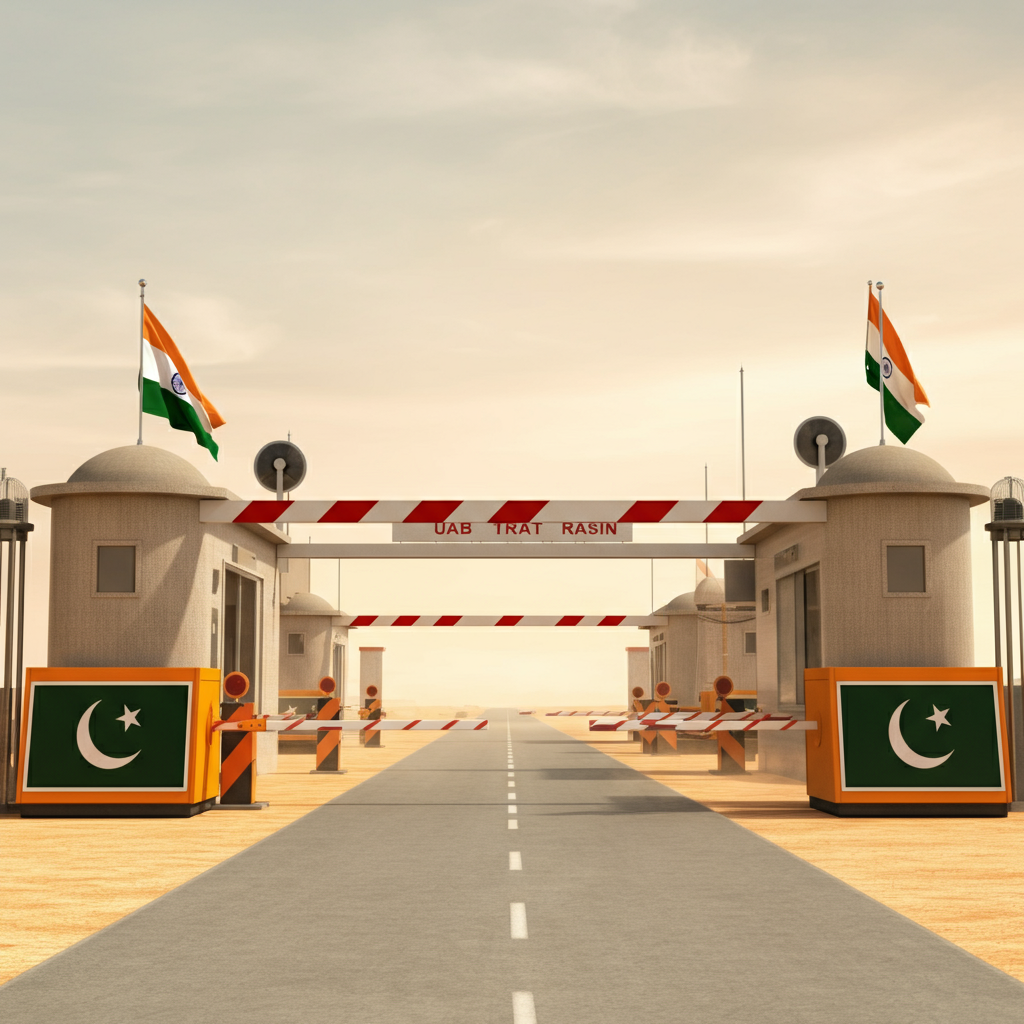
The Indian decision could affect the little trade that existed between the two nations. Even though formal trade were already declining due to the high rates put in place following the Pulwama attack, this total ban shuts off the possibility of trade completely. What does this mean for both countries:
- A message to the world: The ban communicates the larger message of India’s position that global trade cannot be built on terrorist’s foundations. India would like all nations to consider taking a more critical review of Pakistan’s policies as well as their implications for the region.
- Economic pressures for Pakistan: For Pakistan who is battling with a soaring inflation rate and a tepid rise in unemployment, the loss of even this small amount of trade. Textiles, cement and agricultural goods, the mainstays of Pakistani exports, are likely to require new buyers.
- A symbol of unity In India: For Indians across the country the move is an collective response to the trauma. It brings a sense closure for those who mourn the loss of Pahalgam.
What’s at Stake in India-Pakistan Relations?
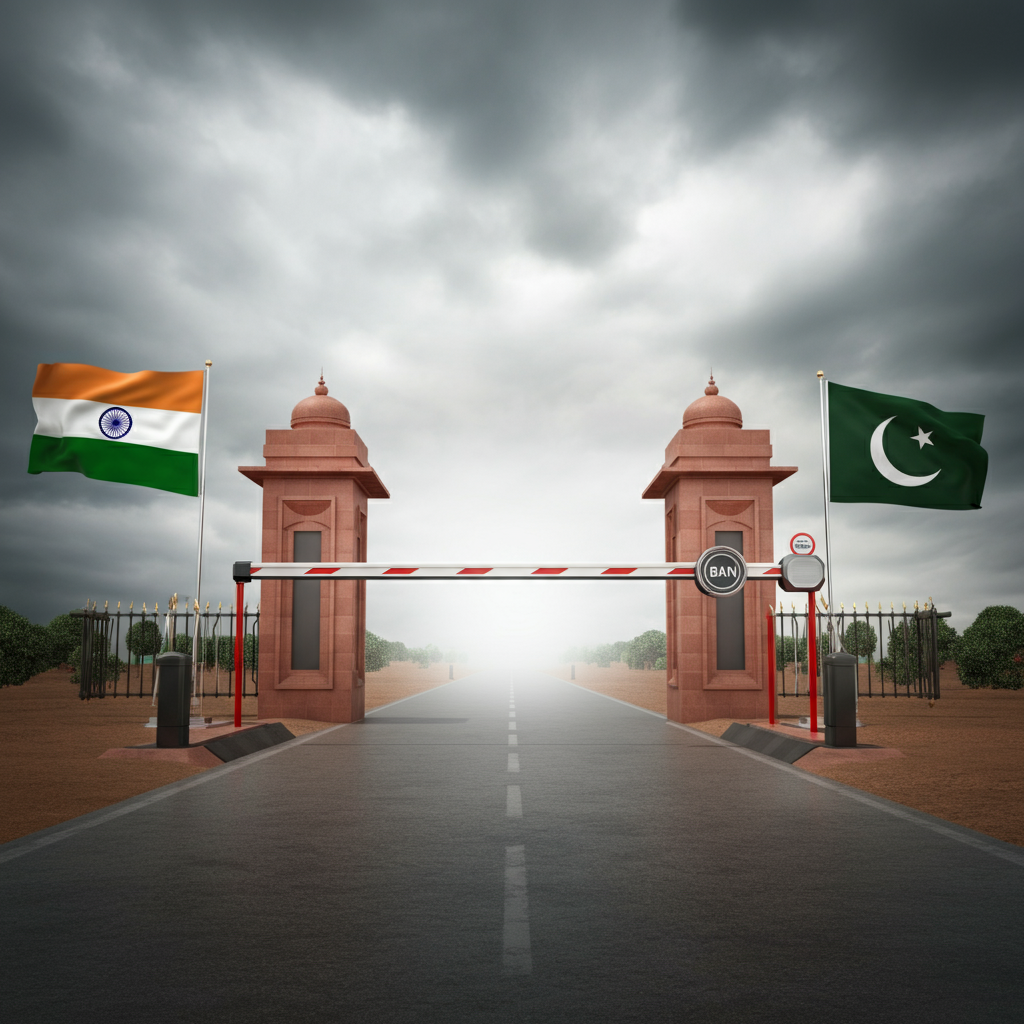
Relations that exists between India with Pakistan is always rife with tension, created by conflicts or cross-border conflicts, as well as militants within Kashmir. Terrorism has struck a personal nerve for many Indians. Since the 2018 Pulwama attack to the latest tragedy in Pahalgam These incidents are as if they’re open wounds that can’t heal unless drastic steps are implemented.
India has frequently accused Pakistan for not taking enough steps to eliminate terrorist groups operating on its territory. In shutting down trade completely, India is taking another deliberate step to demonstrate that it is not ready to normalize relations with Pakistan while terror continues to engulf people’s lives.
“The Pahalgam attack tore families apart,” said an official from the government’s top level. “This isn’t just about economic losses; it’s about making sure no family has to go through such pain again.”
For more details regarding the wider India-Pakistan issue visit ArtKerala.com.
What Comes Next?
India’s move is a powerful economic and political signal, however it’s not without risk. The tensions between the nuclear-armed neighbors may escalate over the next few weeks. Pakistan may view this ban as a threat and react with countermeasures of its own and possibly tightening visa requirements for Indian citizens or expanding military activities on the Line of Control.
Despite the possible repercussions, India seems resolute in its position, and puts the security and safety of its citizens ahead of anything other. Premier Narendra Modi emphasized, “We will not tolerate terror, and every action we take will reflect this commitment.”
A Push for Regional Peace
The ban raises more concerns about what the next steps for South Asia as a region. Economic cooperation is usually an option to achieve peace but with trade channels being shut, new bridges have to be built. In order to ensure peace experts say that Pakistan must take clear and decisive action against terrorist organizations.
Many people in India are hopeful that the ban will not only force Pakistan but its allies as well to reconsider their roles in fighting terror. Many believe that it could open the door to greater international cooperation in the fight against terrorist funding and networks of support.
Closing Thoughts
This isn’t a tale about politics or trade; it’s about people. Families that are ripped apart by Pahalgam are left with a memory that will never be forgotten, and all of the nation stands by and demands that those who are who are responsible must be held accountable. The decision to prohibit imports could be an uncompromising strategy, but it is the determination and strength of a nation that is tired of suffering the loss of loved ones due to a senseless violence.
India has established a line on the sand. What happens next? Pakistan and the international community will react is yet to be observed, but for the daily Indian grieving for the loss of lives this decision is an important move towards an appropriate direction.
For more information and in-depth views on the situation between India and Pakistan for more details and updates, go to ArtKerala.com. For international coverage, media sources such as Al Jazeera and the BBC. BBC as well as Al Jazeera provide additional context.