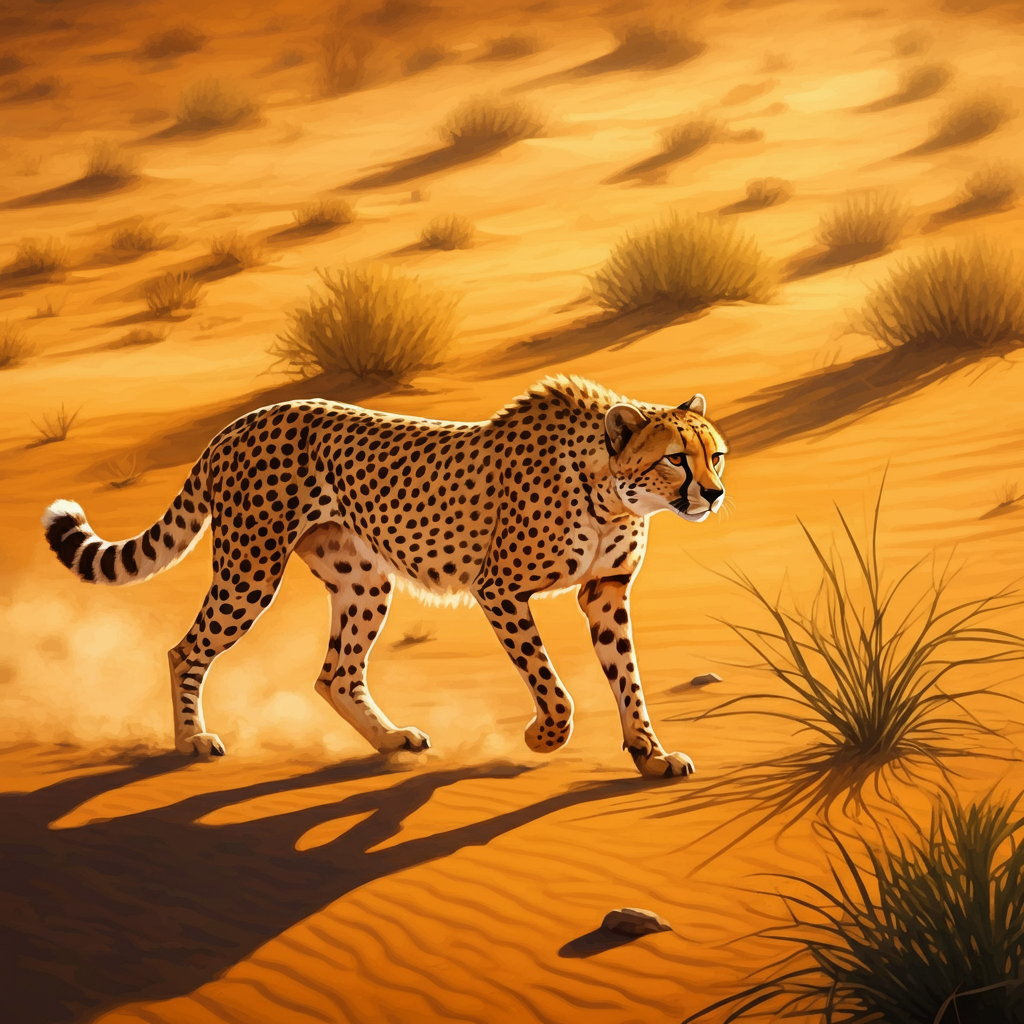
New Delhi | May 15 2025 -In a remarkable environmental and diplomatic gesture Iran is the first country to have publicly expressed an interest in gaining insights from India’s efforts to revive cheetah populations in accordance with documents obtained through the Right to Information (RTI) query. This request signals India’s increasing reputation as a pioneer in conservation of wildlife and reintroduction of species.
The official communication by the Iranian Department of Environment acknowledges the accomplishments in India’s current project Cheetah that began with the historical transfer of African cheetahs to Kuno National Park, Madhya Pradesh in 2022.
Iran’s Own Cheetah Crisis
Iran is the home of an extremely endangered Asiatic Cheetah (Acinonyx Jubatus Venaticus) which is estimated to have less than 20 individuals are believed to remain on the open plains. Cheetahs that once roamed all over West as well as South Asia, are now restricted to a few areas of Iran and are under threat from habitat loss, hunting as well as road accident.
“Iran’s Department of Environment conveyed interest in India’s protocols on cheetah health, tracking, and habitat management,” the RTI response by the Indian Ministry of Environment stated.
What India’s Doing Right
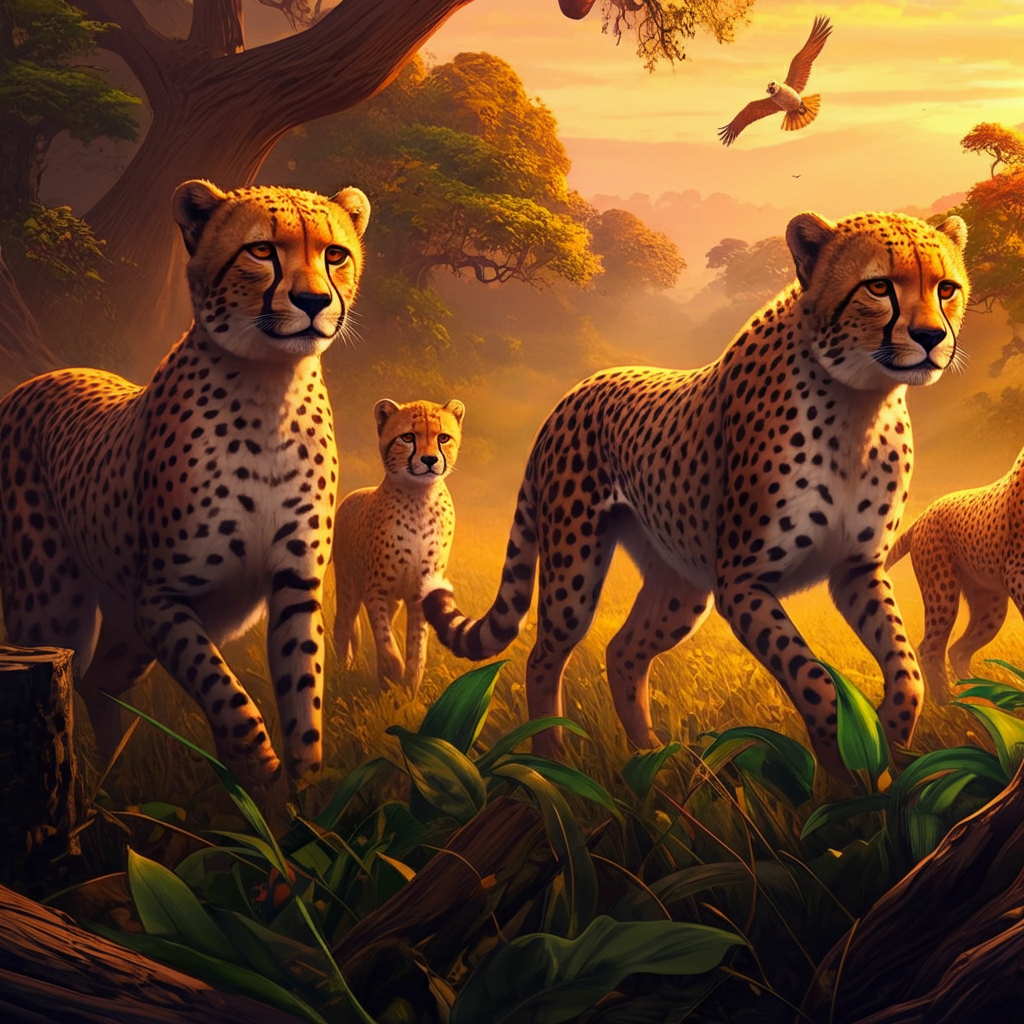
India is in the forefront of ad-hoc conservation of cheetahs ever since it became the first nation worldwide to transfer Cheetahs over continents. Cheetahs are brought in out of Namibia in Namibia and South Africa, are monitored by drones, satellite collars along with forest protection patrols.
Despite initial setbacks such as deaths and adaptability issues, the project has displayed positive signs, such as the first birth of a cheetah on the open in 2023 and a major important milestone in the efforts to recover species.
A Two-Way Street in Conservation Diplomacy
Experts believe Iran’s outreach is a reflection of an increasingly global trend of nations working together in the conservation of species and biodiversity missions.
“This is not only about the cheetah. The issue is eco-friendly partnerships. India will benefit greatly from the experience of Iran with Asiatic subspecies, while also sharing its own conservation and technological model,” said Dr. Kavita Narain an expert in wildlife biology.
India’s Soft Power Through Wildlife
The project to save the cheetah in India isn’t simply an environmental triumph. It’s also become an symbol of diplomacy with soft power. From African nations that have joined in conservation, to Middle Eastern countries like Iran paying attention, India is emerging as a major participant in global conservation of wildlife.
Related Articles
Final Word
In a world that is increasingly defined by environmental crises the interest of Iran in India’s Cheetah project is a sign of optimism. A future in which countries work together across borders to reintroduce endangered species is not only possible, it’s already taking place.