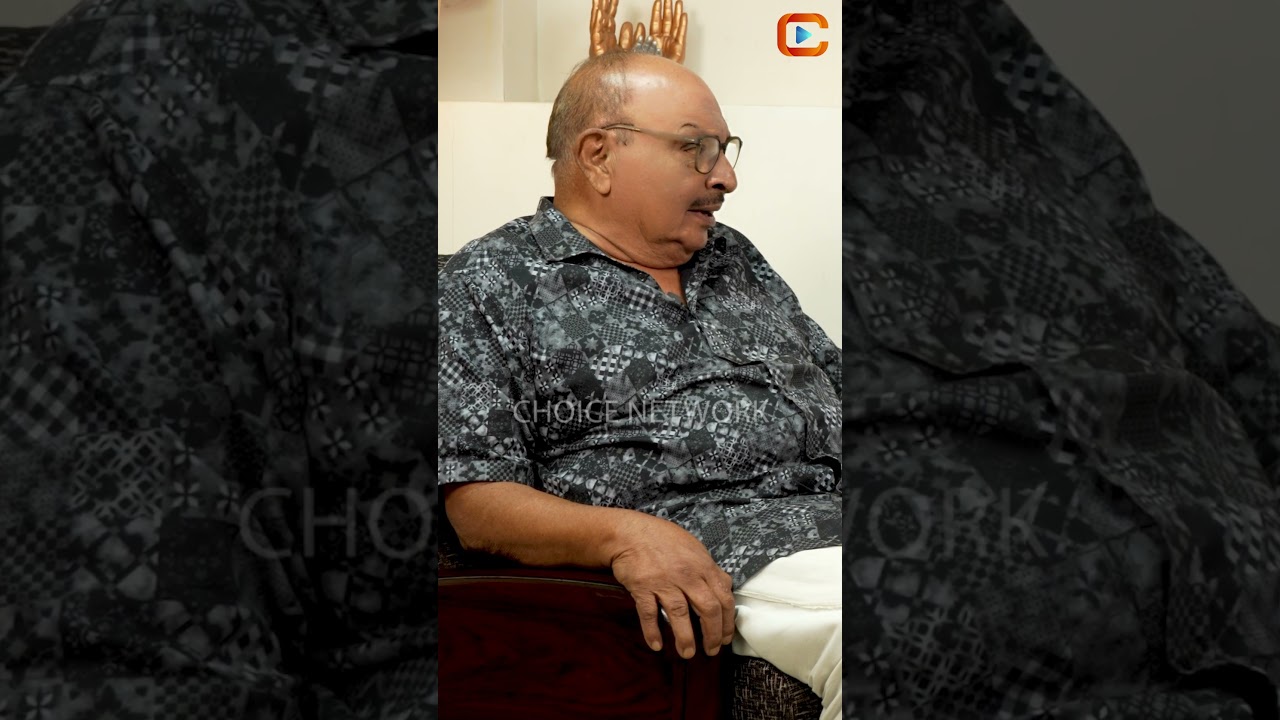
Unraveling the Mystery Behind the Viral Quote: “When Is Your Body Being Taken Away?”
Introduction
In the dynamic world of Malayalam cinema and the buzzing corridors of social media, certain quotes and conversations often capture public attention, sparking curiosity and debate. One such quote that has recently stirred intrigue is: “That day I called the director and asked, when is your body being taken away?” The statement, seemingly charged with hostility or deep-seated animosity, begs the questions: Who said this? To which director was this question directed? And most importantly, what is the truth behind this provocative assertion?
In this article, we delve into the depths of this mystery, exploring the origins of the quote and examining the facts—or lack thereof—surrounding its existence.
Tracing the Origins: Fact or Fiction?
Upon conducting a thorough investigation into this statement, it becomes evident that there is no official confirmation or credible source to substantiate it. Despite its frequent appearances in online discussions and troll pages, there is no documented evidence of a prominent personality, actor, or director making such a statement. No news articles, interviews, or public records corroborate the claim.
The Orphan Quote Phenomenon
This quote falls into what is known in media circles as an “orphan quote.” This term refers to statements that circulate widely among people but lack a verifiable origin, time, or place. Essentially, it’s a quote without a home, often shared without any credible backing.
The Search for Evidence: A Thorough Investigation
In our pursuit of clarity, we embarked on a detailed fact-checking mission. Here are the key findings from our investigation:
-
Absence of Credible Media Reports: Not a single reputable news outlet or online portal has reported on such an incident. Given the media’s keen interest in even minor happenings within the film industry, it is highly improbable that such a significant statement would go unnoticed.
-
Silence in Public Records: There are no interviews, public events, or autobiographies that document this incident. The lack of any mention in public records further suggests that the statement may not have been made at all.
-
Misleading Context: Online searches for this quote often lead to a news report about the funeral of P.K. Abdul Raheem. However, this report only contains details about the funeral arrangements, with no mention of the controversial question or statement. This indicates a tendency to connect unrelated events with the rumor.
Why Do Such Stories Spread?
Even without concrete evidence, why do stories like “When is your body being taken away?” spread so rapidly? Several factors contribute to their proliferation:
-
Emotional Content: Quotes that shock or intrigue tend to gain quick traction on social media. People are more likely to share them without verifying their authenticity.
-
Interest in Film Industry Rivalries: Fans are often fascinated by the rivalries and competitions among stars. Quotes like these add spice to such narratives, making them more appealing.
-
Lack of Source Verification: In the digital age, there’s a tendency to believe and disseminate information without checking its source, creating fertile ground for fake news.
What Readers Should Keep in Mind
Given the current information, the statement “That day I called the director and asked, when is your body being taken away?” remains an unverified rumor. It lacks concrete evidence or credible sources.
When encountering eye-catching news or quotes, especially those that seem exaggerated or shocking, it is wise to question their origins. Checking if reputable media outlets have reported the story can help us avoid falling prey to misinformation.
Conclusion
In the end, the viral quote in question is a testament to the power of social media and the rapid spread of unverified information. While it may capture attention and fuel discussions, it is crucial to approach such claims with a critical eye and a demand for evidence. By doing so, we can navigate the complex web of information with discernment and avoid being misled by baseless rumors.