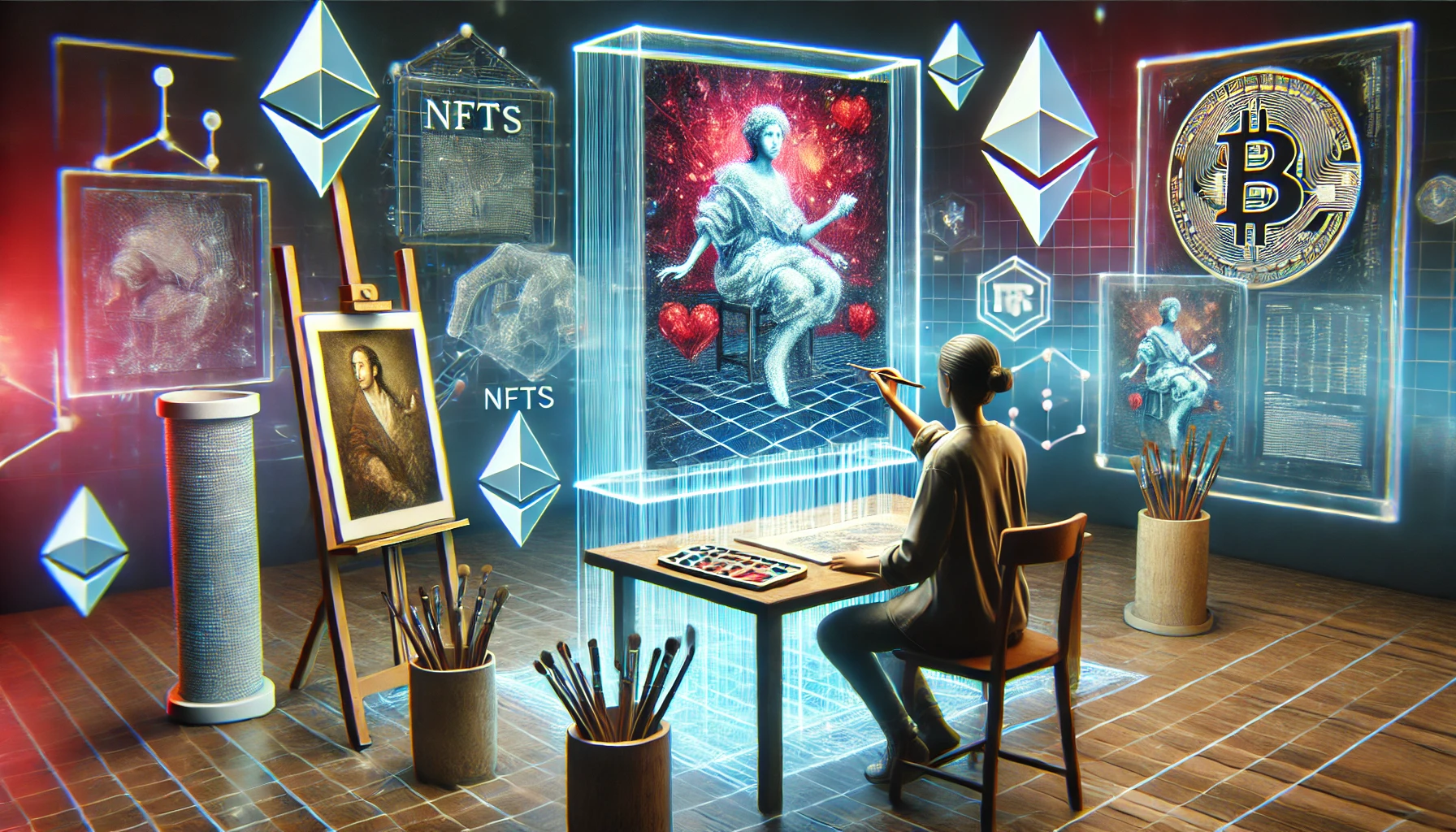
Beyond the Canvas: The Digital Transformation of Art with NFTs, AR, and VR
In an era where technology is redefining every industry, the art world is experiencing a revolution like never before. Gone are the days when art was confined to the hushed, white-walled galleries. Today, digital platforms are reshaping how art is created, viewed, and owned, driven by the integration of Non-Fungible Tokens (NFTs), Augmented Reality (AR), and Virtual Reality (VR). These technologies are dismantling traditional barriers, empowering artists, and offering collectors new ways to engage with art.
The Emergence of NFTs: Redefining Ownership in the Digital Age
For years, digital art faced a significant hurdle: the challenge of proving ownership and authenticity. How do you claim ownership of a digital file that can be easily copied? This issue of scarcity and authenticity limited digital creators’ ability to monetize their work effectively.
Enter Non-Fungible Tokens (NFTs). These digital tokens, secured via blockchain technology, have revolutionized the art market by providing a foolproof method to verify the authenticity and ownership of digital artworks. NFTs have created a new marketplace where artists can sell their work directly to a global audience, bypassing traditional intermediaries.
Key Benefits of NFTs for Artists
- Direct Monetization: Artists can sell their work without relying on galleries or agents, keeping a larger share of the profits.
- Global Reach: NFTs allow artists to reach a worldwide audience, expanding their potential market beyond geographical limitations.
- Authenticity and Scarcity: With NFTs, each piece is a verifiable original, enhancing its value and appeal to collectors.
This innovation has opened up new revenue streams for artists and given them unprecedented control over their careers, enabling both emerging and established creators to thrive in the digital space.
Immersive Experiences: VR and AR Transforming Art Interaction
While NFTs have revolutionized ownership, Virtual Reality (VR) and Augmented Reality (AR) are redefining how we experience art. These technologies are moving art beyond static displays, transforming passive observation into active, immersive participation.
Virtual Reality: Stepping Inside the Art
Virtual Reality platforms are creating digital galleries that transcend physical limitations. From the comfort of their homes, art enthusiasts can explore meticulously crafted 3D exhibitions, getting up close with sculptures and installations from anywhere in the world. The real magic of VR lies in its interactivity. Tools like “Tilt Brush” allow users to step inside a digital canvas, painting with light and color in a three-dimensional space. This blurs the line between observer and creator, making art a world to explore, manipulate, and even co-create.
Augmented Reality: Bringing Art into Our World
Augmented Reality, on the other hand, overlays digital art onto the physical world. Using smartphones or AR glasses, users can place a digital sculpture in their living room or watch a static mural come to life on a city street. AR allows for direct interaction with art in situ, making it a part of our daily environment. Art is no longer confined to a wall; it can inhabit our space, respond to our presence, and become an integral part of our reality.
The Democratization of Art: Breaking Down Traditional Barriers
The integration of these digital platforms is fostering a more open and democratic art world. Social media and dedicated digital art sites have become the new venues for artists to showcase their work, bypassing traditional gatekeepers like critics and galleries.
How Digital Platforms Empower Artists
- Global Audience: Artists can connect with a worldwide audience, showcasing their portfolios and engaging directly with fans and buyers.
- Community Building: Platforms like Cara and Bluesky provide artist-centered spaces that prioritize creative ownership and foster community engagement.
- New Generation of Buyers: Young collectors, comfortable with digital technology, are driving online art sales, seeking immersive and participatory experiences.
This shift is reshaping the creative landscape, allowing artists to define their success through online community engagement rather than traditional industry connections.
The Future of Art: Expanding Possibilities
As these technologies continue to evolve, they are unlocking new possibilities for artistic expression and engagement. By empowering artists with innovative tools for creation and monetization, digital platforms are expanding the very definition of what an art experience can be. The future of art promises greater access, engagement, and boundless creativity, driven by the seamless integration of technology and artistry.
In conclusion, the digital transformation of the art world through NFTs, AR, and VR is not just a trend but a profound structural shift. These technologies are breaking down traditional barriers, democratizing the art market, and offering artists and collectors new ways to engage with art. As we move forward, the possibilities for artistic expression and interaction are limitless, promising a future where creativity knows no bounds.