The Silent Storytellers: Unlocking Kathakali Mudras with Hasthalakshana Deepika
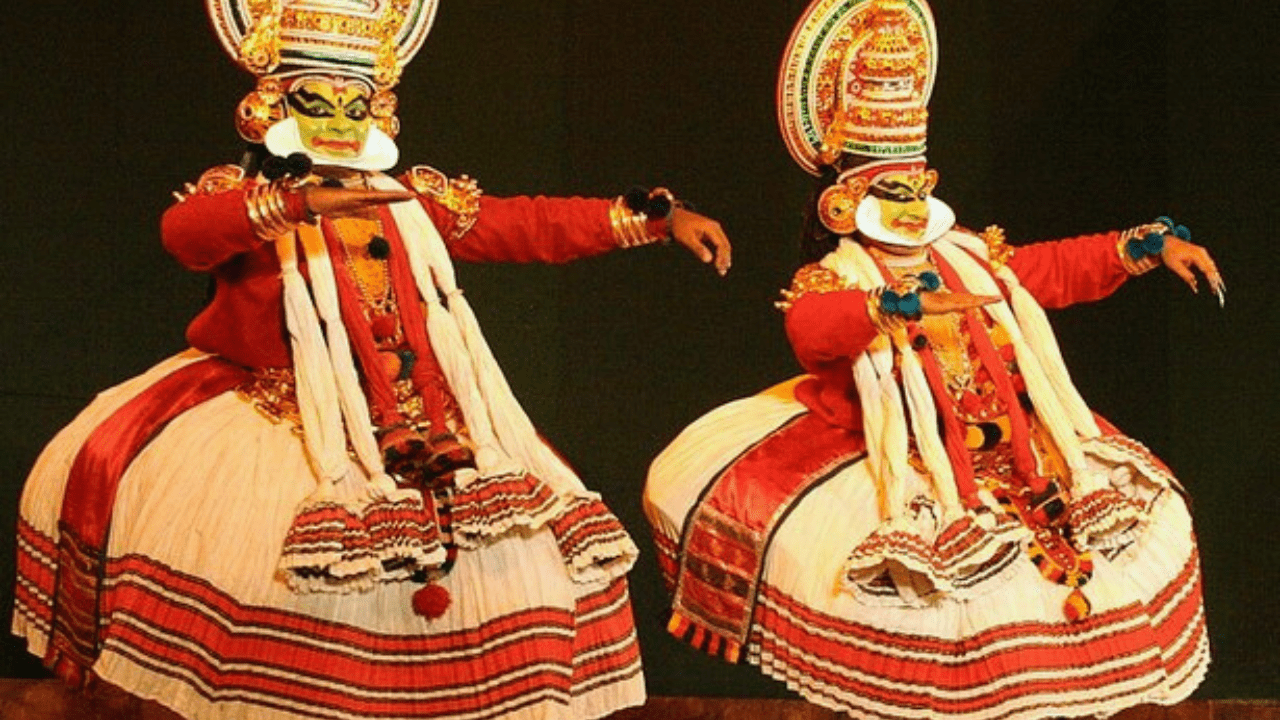
In the mesmerizing realm of Kathakali, a classical dance-drama from Kerala, narratives of gods, heroes, and mythical beings unfold in a captivating silence. Without uttering a single word, dancers convey complex stories through their vibrant costumes, expressive facial movements, and, most significantly, a sophisticated language of hand gestures. This silent yet powerful communication is meticulously guided by an ancient text known as the Hasthalakshana Deepika.
For those eager to delve into the essence of Kathakali, understanding the Hasthalakshana Deepika is essential. This classical text is the definitive guide to the hand gestures, or mudras, that make Kathakali one of the most expressive art forms in the world. Here, we explore the significance of the Hasthalakshana Deepika, its contents, and its unique role in the traditions of Indian classical dance.
What is Hasthalakshana Deepika? The Lamp of Hand Gestures
The name Hasthalakshana Deepika translates to “The Lamp Showing the Purpose of the Hand Gestures,” and it perfectly encapsulates the text’s purpose. This scripture acts as an illuminating guide, systematically decoding the rich vocabulary of hand movements integral to Kathakali.
Originating from Kerala, where Kathakali itself was born, this text is the authoritative source on the hand gestures used in the dance. It is considered the foundational scripture for both teaching and performing Kathakali. For generations, artists have relied on the Hasthalakshana Deepika to master the precise and meaningful gestures that are central to every performance.
A Visual Alphabet: The 24 Core Mudras
At the heart of the Hasthalakshana Deepika lies a detailed description of 24 specific hand gestures, also known as hastas. These gestures form the core alphabet of Kathakali’s visual language. The text meticulously explains not only how to form each mudra with the fingers and palm but also its specific meanings and the contexts in which it should be used.
Through these codified gestures, performers can convey a remarkable range of concepts, including:
- Characters and Beings: Representing gods, demons, humans, and animals.
- Actions and Ideas: Depicting everything from walking and fighting to thinking and loving.
- Emotions and States: Expressing joy, sorrow, anger, and peace.
- Narrative Elements: Weaving together complex stories and dialogues.
By combining these 24 foundational mudras, dancers construct a visual poetry that is both precise and profoundly expressive, allowing audiences to follow intricate plotlines and emotional journeys entirely through movement.
A Tradition Set Apart
While hand gestures are a feature common to many Indian classical dance forms, the system codified in the Hasthalakshana Deepika is unique. Other renowned treatises on the performing arts, such as the Natyashastra and Abhinaya Darpana, are widely followed in forms like Bharatanatyam and Odissi. However, Kathakali artists specifically turn to the Hasthalakshana Deepika.
This text establishes a system of mudras unique to the traditions of Kerala. It sets Kathakali apart, providing it with a gestural vocabulary that is uniquely its own. This distinction highlights the highly specialized and codified nature of Kathakali, where every performance element, especially its silent language, follows a carefully preserved and documented tradition.
The Role of Hasthalakshana Deepika in Kathakali
The Hasthalakshana Deepika is more than just an ancient book; it is the living constitution of Kathakali’s sign language. As the most crucial resource for ensuring that the dance’s stories are told with clarity, consistency, and profound artistic depth, it continues to guide performers. It is the lamp that lights the way for dancers, ensuring that the hands of a Kathakali artist can speak with an eloquence that transcends words.
Teaching and Learning
In the world of Kathakali, learning begins with the Hasthalakshana Deepika. Aspiring dancers spend years mastering the mudras detailed in the text. Teachers use it as a primary reference to ensure that students understand the intricate hand movements and their meanings. This rigorous training ensures that the tradition is passed down accurately from generation to generation.
Preservation of Culture
The Hasthalakshana Deepika plays a vital role in preserving the cultural heritage of Kerala. By codifying the hand gestures unique to Kathakali, it safeguards a tradition that is an essential part of the region’s identity. This preservation ensures that the art form remains vibrant and relevant, even as it evolves and adapts to modern times.
Artistic Expression
For performers, the Hasthalakshana Deepika is a source of inspiration and creativity. By providing a framework for expression, it allows dancers to explore and expand their artistic boundaries. The text’s detailed descriptions of mudras enable performers to convey complex emotions and narratives, making each performance a unique artistic endeavor.
Conclusion
The Hasthalakshana Deepika is a testament to the rich cultural tapestry of Kerala and the enduring legacy of Kathakali. As the definitive guide to the hand gestures that define this classical dance form, it remains a cornerstone of Kathakali tradition. By illuminating the purpose and meaning of each mudra, the text ensures that Kathakali continues to be a powerful medium of storytelling, where the hands speak with a silent eloquence that captivates audiences worldwide.