Nangiar Koothu: The Timeless Art Form of Kerala
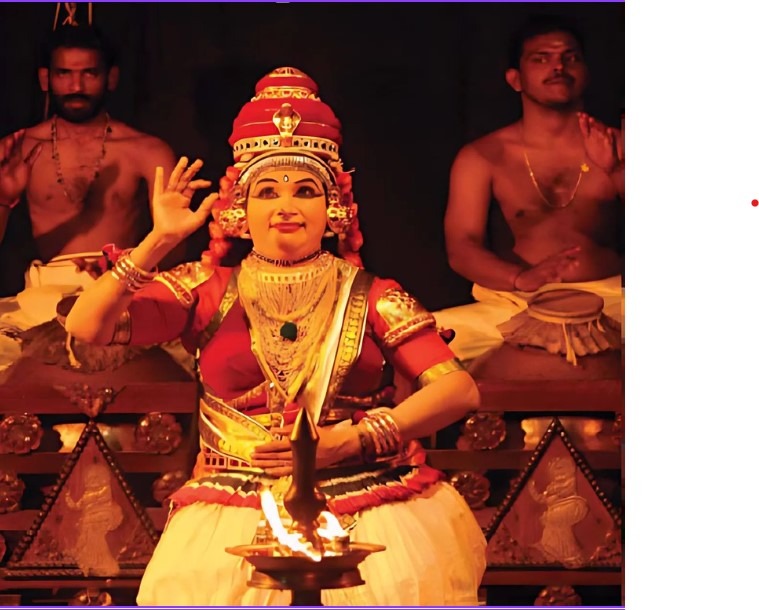
In the sacred confines of Kerala’s temple theatres, a unique and ancient art form thrives, captivating audiences with its rich history and profound storytelling. Known as Nangiar Koothu, this classical solo performance art has been a cornerstone of Kerala’s cultural heritage for over 1,500 years. Exclusively performed by women from the Chakkiar and Nambiar communities, this art form is not only a testament to female artistry but also a vital link to India’s classical past.
The Solo Performer: A Unique Theatrical Experience
The Essence of Solo Performance
Nangiar Koothu stands apart from its parent form, Kutiyattam, by its solo nature. While Kutiyattam involves a group of performers, Nangiar Koothu relies solely on the talent and versatility of a single artist. This performer, known as a Nangiar, must embody multiple characters, seamlessly transitioning between roles with subtle changes in posture, voice, and facial expressions.
Mastery of Abhinaya and Mudras
At the heart of Nangiar Koothu is abhinaya, the classical Indian art of expressive storytelling. This involves a highly stylized and codified language of movement, deeply rooted in the ancient treatise, the Natya Shastra. The performer uses precise mudras—hand gestures that convey specific meanings—to weave a visual and emotional tapestry for the audience. Each gesture and expression is meticulously crafted, allowing the artist to convey complex narratives and emotions without the need for dialogue.
Sacred Narratives: Tales of Lord Krishna and Beyond
Traditional Themes and Expanding Horizons
The narratives of Nangiar Koothu traditionally focus on the life and exploits of Lord Krishna, drawing from sacred Sanskrit verses of the Bhagavata Purana. These performances are more than mere entertainment; they are a form of devotional storytelling that elevates the art to a spiritual offering.
A complete rendition of a traditional story can be an epic undertaking, encompassing over 200 Sanskrit slokas and extending over 30 to 40 days. This meticulous unfolding of narratives allows for a deep exploration of emotional depth and storytelling detail.
In recent years, the repertoire has expanded to include stories from the Ramayana, thanks to the pioneering efforts of artist Margi Sathi in 1999. This evolution showcases the art form’s capacity to adapt while maintaining its core traditional values.
The Koothambalam: A Sacred Performance Space
Architectural and Acoustic Excellence
Nangiar Koothu is traditionally performed in Koothambalams, architecturally distinct theatres located within major Kerala temples. These sacred spaces, such as those found at Vadakkumnathan in Thrissur, Ambalappuzha Sri Krishna Temple, and Koodalmanikyam Temple in Irinjalakuda, provide the perfect acoustic and spiritual atmosphere for the performance.
Musical Accompaniment: Mizhavu and Ilathalam
While the Nangiar takes center stage, the performance is enriched by a minimalist yet powerful musical ensemble. The primary instrument is the Mizhavu, a large copper drum with a deep, resonant sound that punctuates the drama and underscores the performer’s emotions. Accompanying the Mizhavu is the Ilathalam, or cymbals, which add a rhythmic dimension to the performance. Traditionally, these instruments are played by male and female members of the supporting communities, creating a collaborative and ritualistic environment.
Royal Patronage and Cultural Significance
The Legend of King Kulashekara Varman
The institutionalization of Nangiar Koothu is often attributed to a legendary act of royal patronage. King Kulashekara Varman, after marrying a Nangiar woman from the Chakkiar community, granted her community special rights and privileges to perform within temple precincts. This royal decree not only solidified the art form’s respected status but also ensured its survival by embedding it into the fabric of temple life.
Preservation and Revival Efforts
Nangiar Koothu is not just an artistic display; it is a spiritually significant ritual. Its preservation has been a dedicated effort, with institutions like the Ammanur Chachu Chakyar Smaraka Gurukulam playing a vital role in training new generations and reviving interest in the form.
Celebrated Artists and Global Recognition
Pioneers of the Art Form
The tradition of Nangiar Koothu is carried forward by remarkable artists who have dedicated their lives to mastering its complexities. Performers like Usha Nangiar and the late Margi Sathi have not only upheld the purity of the art but have also been instrumental in bringing this refined and emotionally rich dance-theatre to a wider, global audience.
A Testament to Kerala’s Cultural Heritage
Through their efforts, Nangiar Koothu continues to stand as an exceptional and timeless classical art form. It is a testament to the enduring power of solo storytelling and Kerala’s incredible cultural heritage. By preserving and promoting this ancient tradition, these artists ensure that the art form remains a vibrant and integral part of India’s cultural landscape.
In conclusion, Nangiar Koothu is more than just a performance; it is a living embodiment of Kerala’s rich history and cultural identity. Its unique blend of artistic discipline, spiritual significance, and female-led storytelling continues to captivate audiences and inspire new generations of performers. As a timeless classical art form, Nangiar Koothu remains a cherished treasure of Kerala, celebrating the power and beauty of solo performance.