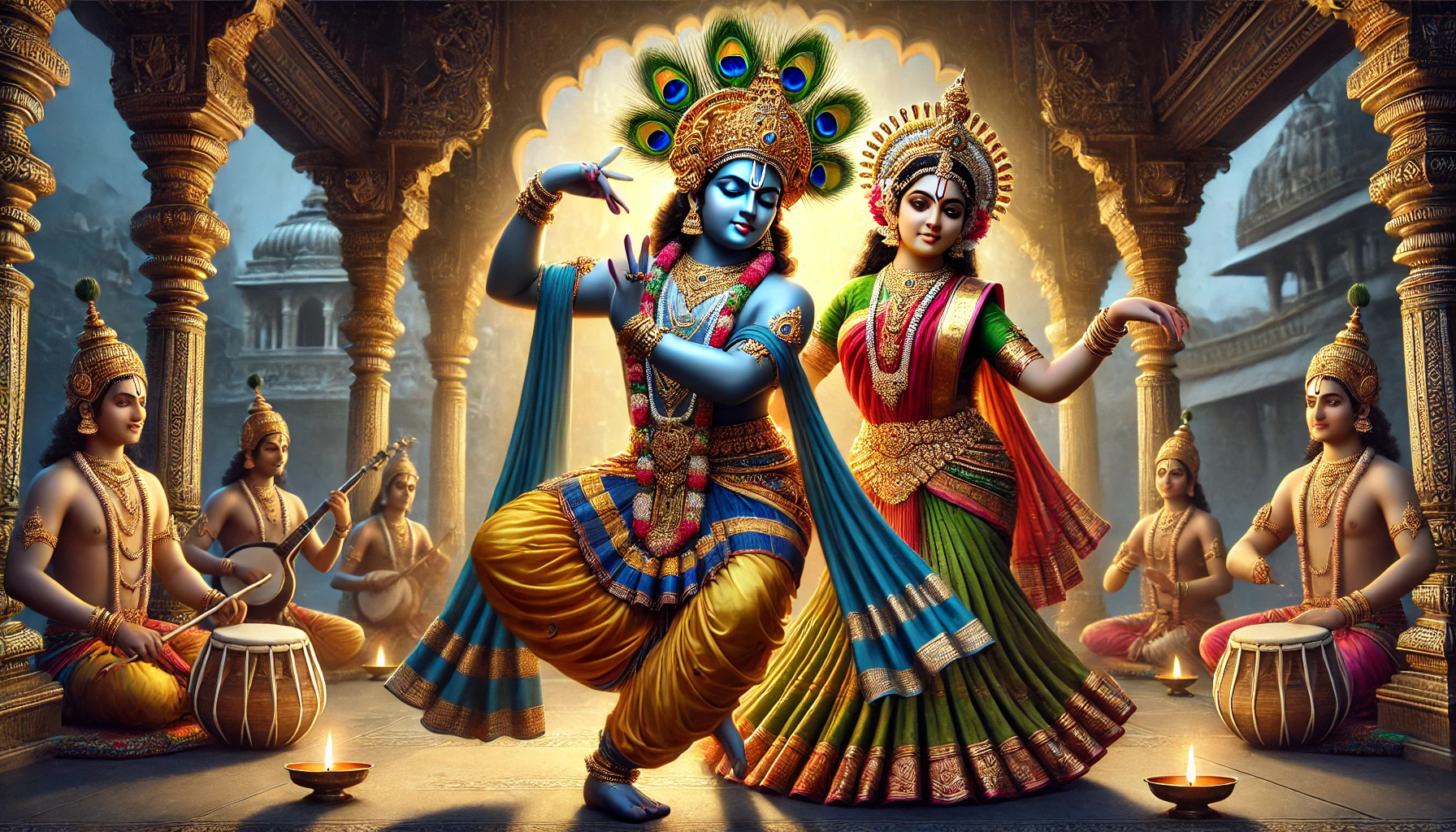
Ashtapadi Attom: The Vanishing Dance of Devotion
In the tapestry of India’s rich cultural and spiritual heritage, Ashtapadi Attom stands as a poignant reminder of how art forms can flourish and fade. Rooted in the devotional poetry of the Gita Govinda, composed by the 12th-century poet Jayadeva, this traditional dance-drama once thrived in the temples of India, especially in Odisha and Kerala. Today, it teeters on the brink of extinction, its original grandeur preserved only in fragments and influences on other classical styles.
The Origin of Ashtapadi Attom: A Dance Born from Devotion
The Gita Govinda: A Poetic Foundation
The Gita Govinda is a masterpiece of Sanskrit literature, celebrating the divine love between Krishna and Radha. Its structure, comprising hymns of eight padas (verses or couplets), is what gives Ashtapadi its name. These hymns were crafted not merely for reading but for performance, becoming integral to temple rituals and devotional practices.
Temple Rituals and Bhakti Rasa
Ashtapadi Attom was more than just a dance; it was a sacred offering. In the temples of eastern India, particularly the Jagannath temple in Puri, Odisha, these performances were a form of seva (service) to the deities. The Devadasis, female temple dancers, along with Brahmin priests, rendered the Gita Govinda as part of daily worship, infusing the verses with bhakti rasa—the emotional sentiment of devotion.
The Artistic Essence of Ashtapadi Attom
A Fusion of Poetry, Music, and Dance
The power of Ashtapadi Attom lay in its seamless blend of lyrical poetry, melodious music, and expressive dance. This was not just an illustration of text but a holistic embodiment of spiritual themes. Through their movements, dancers conveyed the divine love story of Krishna and Radha, creating an immersive spiritual experience for the audience.
Embodying Divine Love
Each performance was a meticulous orchestration where every gesture and note carried deep meaning and devotion. The dancers channeled the essence of divine love, transforming the stage into a sacred space where the audience could connect with the divine through art.
Influence and Legacy: Ashtapadi Attom’s Enduring Impact
Inspiring Kerala’s Krishnanattam
As the Gita Govinda traveled to Kerala, it evolved into Ashtapadi Attom and left a significant mark on the region’s cultural landscape. It inspired the creation of Krishnanattam, a dance-drama depicting Krishna’s life through a cycle of eight plays. This art form, while distinct, owes much to the narrative style and devotional themes of Ashtapadi Attom.
A Foundation for Classical Indian Dance
Though Ashtapadi Attom as a standalone tradition has nearly vanished, its influence is woven into the fabric of Indian classical dance. The themes and stories of the Gita Govinda are central to the Odissi and Manipuri dance forms, and the Ashtapadis continue to be sung in classical and devotional music settings. However, it’s important to note that related traditions like Krishnanattam and Odisha’s Mahari dance, while influenced by Ashtapadi Attom, have evolved independently.
The Decline of Ashtapadi Attom: A Dance Lost to Time
Factors Leading to Near Extinction
Witnessing an authentic Ashtapadi Attom performance today is a rarity. The decline of temple Devadasi traditions, which were the primary custodians of this art form, played a significant role in its disappearance. Additionally, changing social and ritual practices within temples, along with evolving tastes in dance and music, shifted focus away from this traditional form.
Modern Efforts and Challenges in Revival
Despite its near extinction, there have been periodic efforts to revive Ashtapadi Attom. Scholars and artists have attempted to reconstruct and preserve this cultural heritage, though these endeavors are more about honoring the past than restoring a living tradition. The dance exists today as a powerful echo, a testament to the enduring power of devotional art and its fragile dependence on cultural continuity.
Conclusion: The Enduring Spirit of Ashtapadi Attom
Ashtapadi Attom represents a legendary chapter in the history of Indian devotional arts, embodying the intricate expression of spiritual love and devotion. While the original dance-drama form is scarcely performed today, its artistic influence persists in the realms of classical dance and devotional music. The story of Ashtapadi Attom serves as a poignant reminder of the impermanence of cultural traditions and the enduring legacy they leave behind. As we reflect on this vanishing art form, we are reminded of the delicate balance between preservation and evolution in the world of traditional arts.