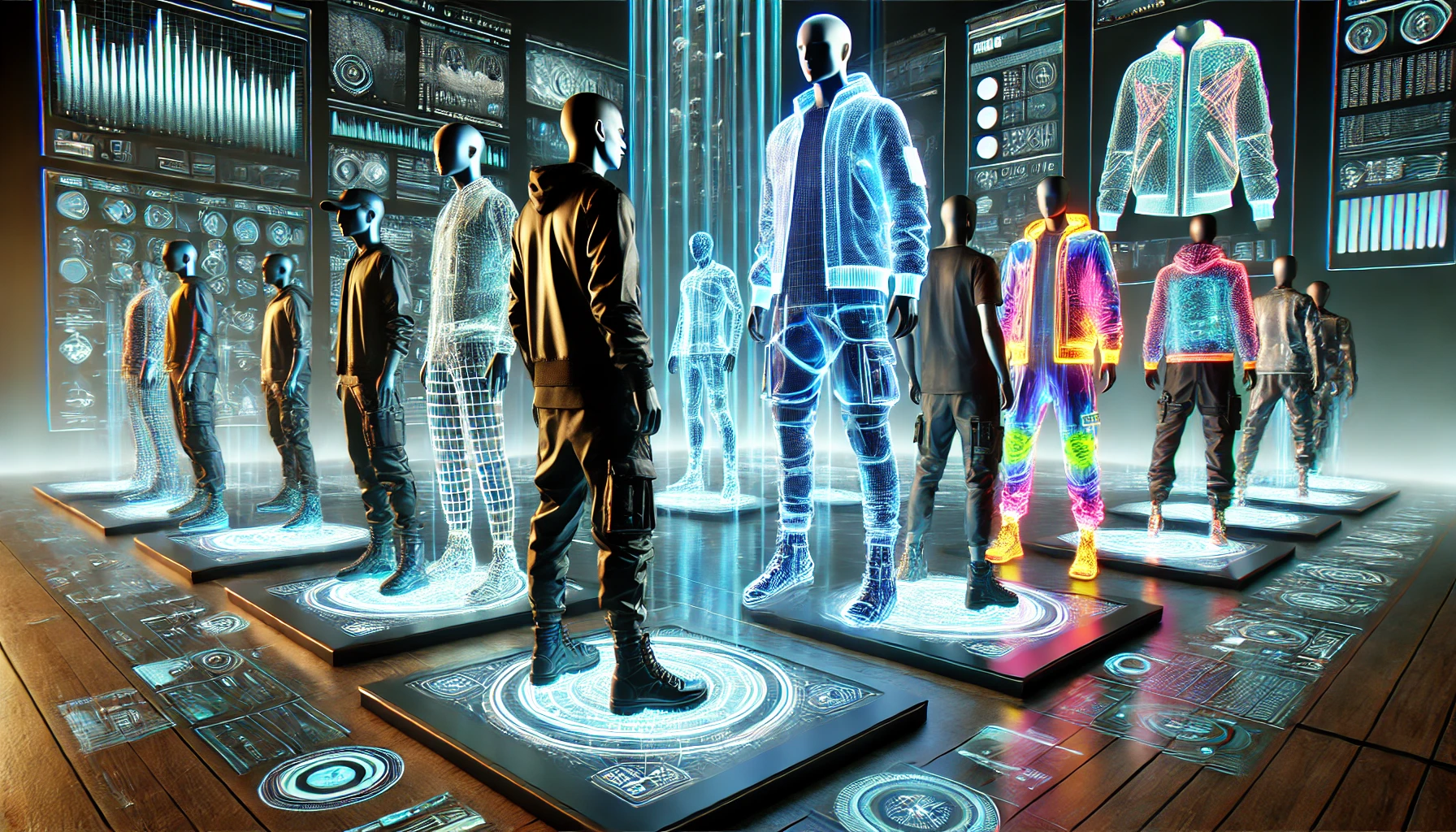
The Digital Fashion Revolution: Redefining Style in the Virtual World
Discover a world where your wardrobe is limited only by your imagination. Digital fashion is transforming the way we think about clothing, offering a sustainable, creative, and boundary-pushing alternative to traditional fashion.
What is Digital Fashion?
Digital fashion is a groundbreaking concept where clothing exists solely in digital form. These garments are designed using advanced 3D software, such as CLO and Browzwear, allowing for intricate designs that are often impossible with traditional textiles. Unlike physical clothing, digital fashion is not bound by the constraints of fabric, gravity, or cost. Instead, it thrives on creativity and innovation, offering endless possibilities for self-expression.
How Digital Fashion is Worn
Digital fashion can be experienced in several exciting ways:
-
Avatar Customization: As virtual worlds become more integral to our social and professional lives, avatars serve as our digital representatives. Dressing these avatars in unique digital fashion is a powerful way to express identity and creativity online.
-
Augmented Reality (AR): Digital garments can be “tried on” through AR, allowing users to see how they look in a digital outfit without owning it physically. This is akin to using a high-fashion Instagram filter, offering a new way to engage with fashion.
-
Digital Collectibles (NFTs): Some digital fashion items are sold as Non-Fungible Tokens (NFTs), providing verifiable ownership of a unique virtual garment. This approach adds a layer of exclusivity and investment potential to digital fashion.
The Explosive Growth of Digital Fashion
The digital fashion market is on the cusp of a major boom. Experts predict that the market could expand by over 500 times by 2027. This growth is fueled by the increasing adoption of virtual platforms and the human desire to craft and project personal identity in digital spaces. In these environments, your outfit is your first impression, a digital handshake that communicates your taste and status.
Sustainable Fashion: A Greener Alternative
Traditional fashion is notorious for its environmental impact, from resource-intensive production to wasteful practices. Digital fashion offers a sustainable alternative by eliminating physical manufacturing. This means no textile waste, no water usage, and no pollution from dyes or unsold inventory. Digital fashion allows consumers and brands to engage with trends without the accompanying environmental guilt, addressing one of the fashion industry’s most pressing challenges.
Creativity Unleashed: Beyond Physical Limits
In the realm of digital fashion, creativity knows no bounds. Designers can create garments that glow, float, or change with the environment, turning fashion into a form of art. This freedom allows for avant-garde expressions that are not feasible with traditional materials.
Moreover, digital fashion promotes inclusivity and accessibility. Virtual designs can be distributed globally and often come at a lower price point than physical garments. They can also be tailored to fit any body type, catering to a diverse range of customers who have been underserved by the mainstream fashion industry.
Pioneers of Digital Fashion
Both digital-native companies and established fashion giants are leading the charge into this new frontier. Innovators like The Fabricant and DressX focus exclusively on digital fashion, while luxury brands such as Gucci and Balenciaga are creating exclusive digital collections for virtual platforms. These efforts validate digital fashion as a serious and creative space, attracting both creators and consumers.
Retail is also evolving with this trend. Brands like ASOS, Zara, and Nike are developing virtual fitting rooms and AI-driven tools to enhance the digital shopping experience. These innovations aim to replicate, and potentially surpass, the engagement of in-store shopping.
The Role of AI in Digital Fashion
Artificial Intelligence (AI) is a driving force behind the digital fashion revolution. AI technologies generate photorealistic content, personalize shopping experiences, and power targeted marketing campaigns. However, the rise of AI also brings challenges, such as concerns about authenticity and the potential misuse of digital content, like the creation of “deepfakes.” As digital and physical realities converge, the fashion industry must navigate these issues carefully.
Conclusion: The Future of Fashion is Digital
Digital fashion is more than a fleeting trend; it’s a transformative movement that blends technology, creativity, and sustainability. By redefining how we think about clothing, digital fashion is reshaping our relationship with style, offering a limitless wardrobe that exists beyond the physical world. As this field continues to grow, it invites us all to explore new forms of self-expression and engage with fashion in innovative, environmentally friendly ways. The future of fashion is digital, and it’s already here, waiting for you to step into this brave new world.